
Quick answer
Asset finance is business funding used to buy, lease or refinance vehicles, machinery and equipment, with the asset itself usually acting as security. Common structures include chattel mortgages, finance leases, hire purchase and operating leases. Ownright Custom Finance arranges asset finance Australia-wide, including for newer businesses, private sales and credit blemishes.
Key points
- The asset you are buying usually secures the loan, which can keep other property out of the picture
- Chattel mortgage, finance lease, hire purchase and operating lease each treat ownership, tax and the end of term differently
- New, used and private-sale assets can all be financed, though lender appetite varies
- Repayment shape, balloons and deposits can be tailored to how the asset earns
- Credit blemishes and short trading history do not automatically end the conversation
- Suits
- Sole traders, companies and trusts buying or refinancing business assets
- Security
- Usually the asset being financed, sometimes with extra support
- Structures
- Chattel mortgage, finance lease, hire purchase, operating lease, sale and leaseback
- Australia-wide
- Yes
What is asset finance and how does it work?
Asset finance is a way of paying for something your business uses to earn money without draining the bank account on day one. A tradie needs a second ute, a haulier wants another prime mover, a clinic is adding imaging gear, a café is replacing its coffee machine and ovens. In each case the funder pays the supplier, and you repay over time while the asset goes to work.
The feature that sets it apart from an ordinary business loan is the security. The lender takes the financed item itself as collateral, which is why many asset deals can be arranged without putting a family home on the line. That tight link between the loan and the item also shapes everything else: the term usually follows the working life of the asset, and the repayment pattern can be built around how it earns.
At Ownright Custom Finance we treat asset finance as a design exercise rather than a product pick. The same excavator can be financed four different ways, and the best one depends on tax position, cash flow, how long you will keep the machine and what you want to happen at the end.
Who is asset finance for?
- Sole traders and small businesses buying their first work vehicle or tools of trade
- Growing companies adding trucks, trailers, plant or production equipment
- Professional practices such as medical, dental and veterinary clinics upgrading equipment
- Hospitality, retail and service businesses fitting out or replacing equipment
- Owners who already hold equipment outright and want to release some of that value
- Businesses with a recent credit blemish or a short trading history that banks have declined
If the thing you need has a serial number, a registration or a tax depreciation schedule, there is a good chance some form of asset finance can be looked at.
How do lenders assess an asset finance application?
Lenders look at three things in roughly equal measure: the asset, the borrower and the cash flow. For the asset, they care about type, age, condition, resale market and whether it can be identified and registered on the Personal Property Securities Register. A late-model truck from a recognised dealer is simple to value. A highly customised processing line is harder, and the lender will lean more heavily on the business.
For the borrower, they consider trading history, industry experience, the structure (sole trader, company or trust), existing debts and credit conduct. For cash flow, they want to know that the asset will pay for itself, or that the wider business can comfortably carry the repayments.
Recent BAS statements, bank statements and a clear explanation of what the asset will do for revenue are often more persuasive than a thick folder of paperwork. Our guide to what documents you need for a loan is a useful checklist to work from.
What are the main asset finance structures?
| Structure | Who owns the asset | Typical fit |
|---|---|---|
| Chattel mortgage | You, from day one | Utes, trucks, machinery you plan to keep |
| Finance lease | The lender, during the term | Equipment used for most of its life |
| Operating lease | The lender, throughout | Gear that dates quickly or is used short-term |
| Hire purchase | The lender until the final payment | Buyers who want ownership at the end |
| Sale and leaseback | A funder, after you sell it to them | Releasing cash from equipment you already own |
Tax and GST treatment differ between these, and the right answer depends on your circumstances, so it pays to confirm with your accountant before signing. The ATO’s business pages explain how depreciation and lease expenses generally work, and we are happy to work alongside your adviser.
Why does the structure matter more than the lender?
Borrowers often start by asking who has the lowest cost. A better opening question is which structure suits the way the asset will be used. A business that keeps trucks for ten years has little use for a lease built around a three-year refresh. A contractor who rotates machines every two years may prefer a structure that ends cleanly with a return or trade-up.
Balloons and residuals add another lever. Setting aside part of the balance to be paid at the end can lower regular repayments, but it creates an obligation that must be planned for. We cover that trade-off in our page on balloon and residual finance and in the guide to balloon payment loans.
Which asset finance option suits trucks, trailers and fleets?
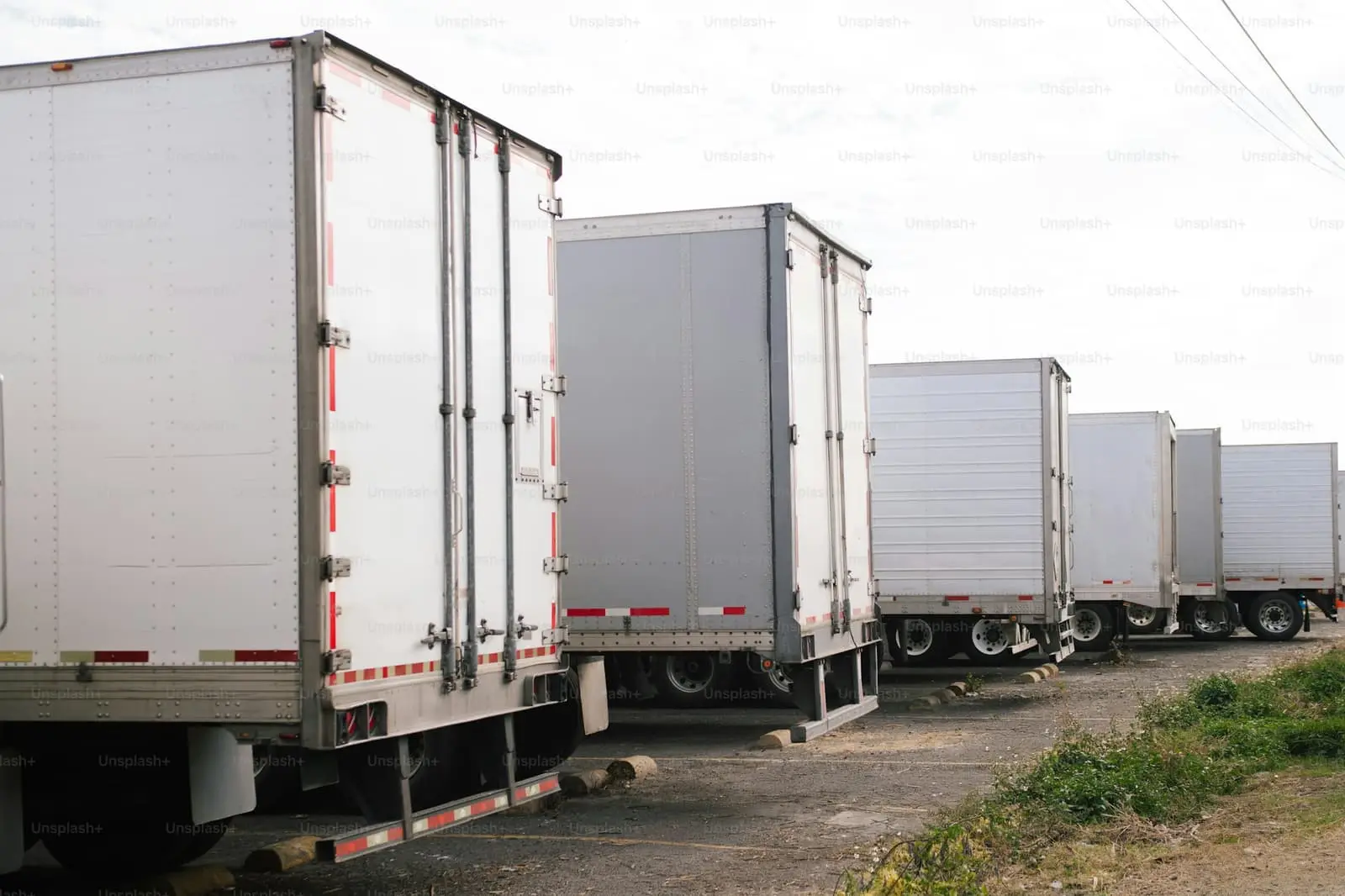
Transport is the classic home of asset finance, and lenders know the territory. A commercial vehicle and fleet finance facility can fund anything from a single van to a mixed fleet, sometimes under one arrangement that grows as you add vehicles. If you are buying a rig that needs something behind it, trailer finance covers tippers, flat tops, refrigerated units and more. Operators moving people rather than freight can read about bus and coach finance, where passenger regulations and route contracts shape the lender’s view.
Sole traders and small contractors who mainly want a work ute may find our tradie ute finance and truck finance pages helpful as well.
What about heavy machinery, cranes and forklifts?
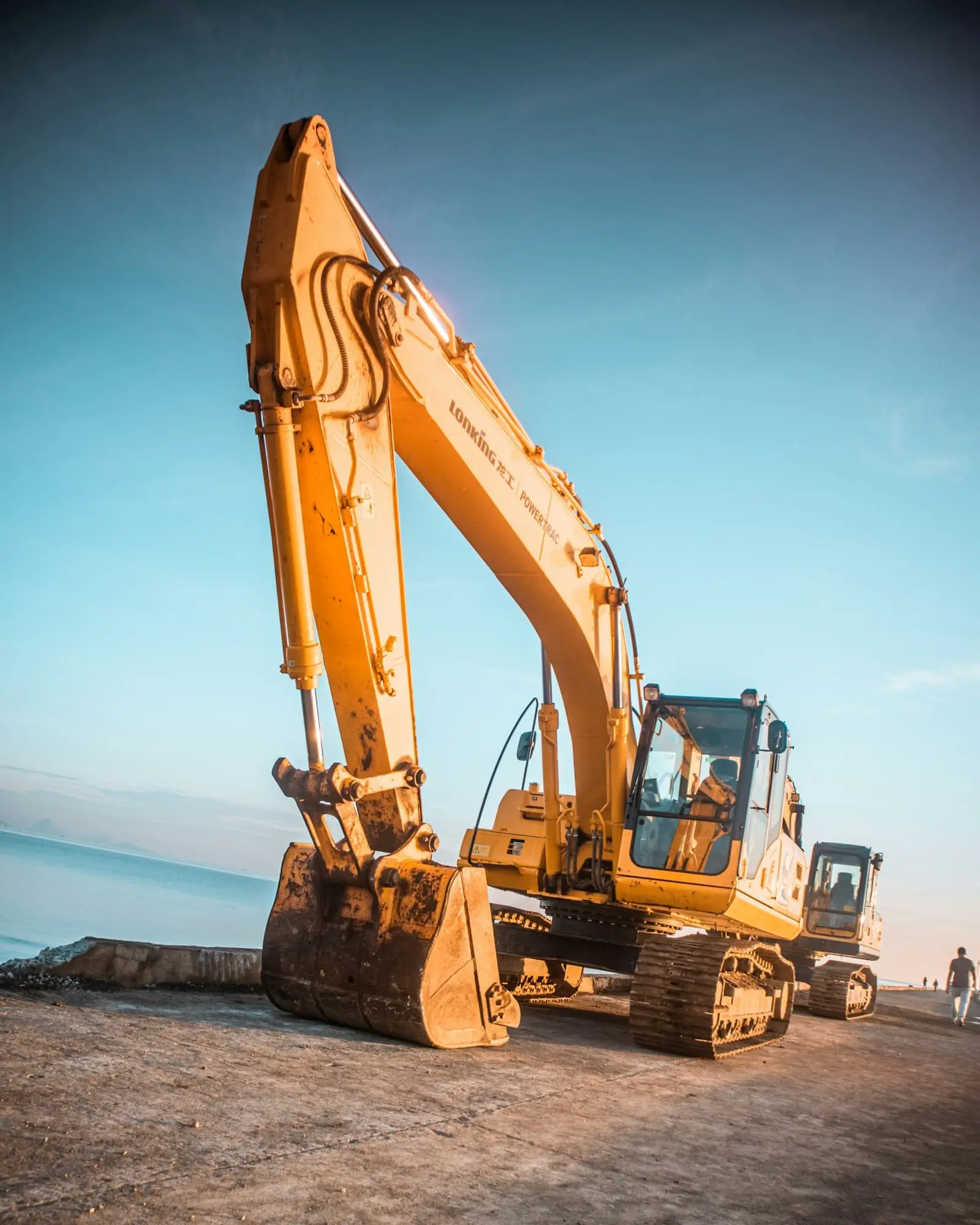
Earthmoving and lifting equipment hold their value well when the market for them is deep, which lenders like. Our page on excavator and earthmoving finance explains how contracts, utilisation and machine age influence the outcome. Crane and lifting equipment finance is a more specialised field with its own licensing and safety considerations, while forklift finance suits warehouses, factories and yards that need dependable materials handling without a large upfront spend.
How is professional, production and office equipment financed?
Equipment that lives indoors still counts as an asset. Medical equipment finance helps practices buy imaging, dental and treatment gear, often with terms that reflect the equipment’s technology cycle. Manufacturing equipment finance supports production lines, CNC machines and packaging plant, where a lender may weigh the supply contracts behind the output. IT equipment finance covers servers, laptops and point-of-sale systems, and tends to use shorter terms because technology dates quickly.
Can I finance a fitout, café or restaurant equipment?
Yes, and these are often some of the most overlooked asset deals. Business fitout finance can spread the cost of walls, joinery, lighting and signage that would otherwise land as a single hefty bill. Hospitality equipment finance focuses on kitchens, coffee machines, refrigeration and furniture. Because fitted items are hard to remove and resell, lenders often lean on the business’s trading record and lease position rather than on the items alone.
What if the asset is a boat, a plane or something unusual?
Some assets sit well outside the mainstream. Marine vessel finance covers commercial and recreational boats, and aircraft finance is a niche that Ownright does not typically arrange, though we can look at what is available and often point you to a better-fitting option. The same honest approach applies to anything unusual: we will tell you where a market is thin and what the realistic alternatives look like.
How do leases, novated leases and hire purchase compare?
The main structures each have their own page. Read about the chattel mortgage if you want to own the asset from the start, the finance lease if you want to use it for most of its life, and the operating lease if you want to hand it back. Hire purchase leads to ownership at the end of the contract, and sale and leaseback finance turns an owned asset into working capital. Employees who want a car packaged through salary can read our explainer on the novated lease, and our guide on farm machinery lease versus loan shows the same logic applied in a rural setting.
What if I am buying second-hand or from a private seller?
Plenty of good gear changes hands outside showrooms. Used equipment finance looks at age, hours or kilometres, condition and the history of the item, and some lenders will want an independent inspection. Private sale asset finance deals with the extra care needed when there is no dealer: clear title, a PPSR check and the right paperwork between buyer and seller.
Can I get asset finance when my credit is not perfect?
Often there is a path, even if it is narrower. Bad credit asset finance explains how lenders weigh a past default against the strength of the asset and current trading. Some lenders are asset-led, which means the equipment and the cash flow it generates matter more than a blemish on the file. If you would like us to look at your situation, you can send us your asset finance enquiry and we will tell you plainly what is realistic.
Related ground sits in other parts of the site. Owner-operators with trucks may also like our transport and logistics finance page, and farmers should look at farm equipment finance and tractor finance.
What does an asset finance deal look like in practice?
Illustrative scenario only. A civil contractor wins a multi-month drainage job and needs a second excavator plus a tipper trailer to keep two crews working. The business has traded for several years, but a late tax payment last year left a blemish on the file, and the main bank has said the purchase is too large to approve quickly. A workable plan might use a chattel mortgage on the excavator, a separate arrangement for the trailer, and a term that matches the length of the contract pipeline. If the job pipeline thins out, a balloon on the machine keeps repayments gentle in the meantime.
The point is not the particular structure. It is that the asset, the contract and the borrower’s history were weighed together rather than by a one-size credit score.
What mistakes should I avoid with asset finance?
- Choosing a structure because it looks cheapest this month, without thinking about the end of the term
- Taking a term far longer than the asset will usefully last
- Setting a large balloon without a plan for how it will be paid
- Signing before checking how tax and GST will be treated with your accountant
- Buying privately without a PPSR check and proof of ownership
- Applying to several lenders at once, which can leave multiple enquiries on your file; our guide on why you should not apply for loans everywhere explains why
- Forgetting insurance, registration and servicing costs when working out what the asset really costs to run
What documents should I have ready?
- A quote, invoice or contract of sale for the asset, including make, model, year and serial or VIN
- Recent BAS statements and business bank statements
- The last couple of years of tax returns or financial statements, where available
- Photo ID and details of the entity (sole trader, company or trust)
- A list of existing debts and assets, which our guide to listing your assets and liabilities can help with
- When buying privately, details of the seller plus evidence that they actually own the item
- For contract-driven purchases, the contract that the asset will help deliver
Not having everything on day one is normal. If your records are scattered, the guide on getting loan ready is a sensible place to begin.
How does Ownright approach asset finance?
Trevor Scott has spent more than 40 years in finance, and he leads a team that arranges asset finance Australia-wide from our head office in Knoxfield, Victoria. We begin by asking what the asset needs to achieve, not which form to complete. Then we consider the full range of structures, because the best answer is sometimes a lease, sometimes a chattel mortgage, and occasionally a combination or a different type of loan altogether.
Where a mainstream lender has said no, we look at lenders who are comfortable with the asset class, the age of the item, the type of borrower or a tricky credit history. Some of those options are ones few brokers even know about. We also keep an eye on the sequence of events, such as whether a short-term arrangement now could be refinanced into something longer once the asset is earning. If a particular structure is not a good idea, we say so.
How do assets link to other kinds of business funding?
Asset finance is one tool in a bigger kit. A business may use it for the equipment and a separate facility for day-to-day cash flow, such as working capital loans or invoice finance when customers pay slowly. Growing firms sometimes pair asset deals with business expansion loans, and operators who need to refresh the whole balance sheet can look at business loan refinance. Buyers weighing an alternative to leasing can read our chattel mortgage explained guide for a closer look at how that structure works.
Where should I start?
Start with the asset. Write down what it is, what it costs, what it will earn and how long you intend to keep it. Add a short note about your trading history and any bumps along the way. With that in hand, a conversation about structure becomes quick and useful. If your equipment has a lot of moving parts, the pages on excavator and earthmoving finance, manufacturing equipment finance and commercial vehicle and fleet finance are good next reads. When you are ready, tell us about the asset you want to finance or call 03 7043 7233.
Looking for asset finance you can trust?
Sounds like you want equipment or vehicle finance that is built around your business rather than a rulebook. We are the asset finance specialists who like to find a way when others cannot, so click the button below and see if you qualify.
How it works, step by step
- 1
Step 1
We learn what the asset is, how it earns and what the business can comfortably carry.
- 2
Step 2
We compare structures, from a chattel mortgage to a lease, against your tax position and plans.
- 3
Step 3
We take your case to lenders who like that asset class and that kind of borrower.
- 4
Step 4
We help with quotes, invoices and settlement so the asset arrives without drama.
Frequently asked questions
What is asset finance in plain English?
Asset finance is a loan or lease that pays for a business asset such as a ute, truck, excavator, forklift or piece of medical equipment. The asset typically secures the funding, so the lender is not necessarily asking for a mortgage over your home. Repayments are spread across the working life of the asset.
What is the difference between a chattel mortgage and a finance lease?
With a chattel mortgage you own the asset from the start and the lender holds a mortgage over it. With a finance lease the lender stays the legal owner while you use the asset for a fixed term. Tax, GST and end-of-term options differ, so it is worth confirming the treatment with your accountant.
Can I finance a second-hand asset or a private sale?
Often, yes. Many lenders will fund used equipment and private purchases, although age limits, inspection requirements and the need for clear title can apply. We look at which lenders are comfortable with the particular asset, its condition and how the sale is being structured.
Do I need a deposit for asset finance?
It depends on the lender, the asset and the strength of the application. Some deals are structured with little or no deposit, while others ask for a contribution, especially for older or specialised assets. A trade-in, a balloon or extra security can all change the picture.
Can I get asset finance with bad credit or a new business?
Possibly. Some lenders focus on the asset and the cash flow it will generate rather than only on the credit file. A newer business may need to show industry experience, contracts or a deposit. Expect to explain the story clearly, and we help present it.
Can asset finance be used for things other than vehicles?
Yes. Asset finance can cover medical gear, manufacturing lines, IT hardware, hospitality fitouts, marine vessels and more. Each category has its own lender preferences, and some, such as aircraft, are specialist niches. We can look at what is available and point you to a better-fitting option when needed.
Can I release cash from equipment I already own?
In some cases. A sale and leaseback sells an owned asset to a funder and leases it straight back, turning equity into working capital. It is worth weighing against other options such as refinancing the asset. We can walk through the trade-offs for your situation.
Does Ownright arrange asset finance outside Victoria?
Yes. Our head office is in Knoxfield, Victoria, but we arrange asset finance in every state and territory. Most of the work happens by phone and email, and suppliers, dealers and private sellers can be anywhere in the country.