
Quick answer
A finance lease lets a business use equipment or a vehicle for most of its working life while the lender remains the legal owner. Regular lease payments are made over a fixed term, and at the end you might pay a residual, return the asset or refinance. Ownright Custom Finance arranges finance leases Australia-wide.
Key points
- The lender owns the asset while you use it for most of its useful life
- A residual or balloon at the end can lower regular payments
- Often chosen for equipment that you want to use rather than own outright
- Tax and accounting treatment should be checked with your accountant
- Suits
- Businesses using equipment, vehicles or plant over several years
- Security
- The leased asset, which the lender owns
- Ownership
- Lender owns; end-of-term options agreed upfront
- Australia-wide
- Yes
What is a finance lease?
A finance lease is a long-term rental of equipment or a vehicle in which the lender (the lessor) owns the asset and the business (the lessee) uses it for the bulk of its working life. You make regular payments over a fixed term. At the end, the contract sets out your options, which commonly include paying an agreed residual to keep the asset, extending the lease or returning the equipment.
Compared with buying outright, a finance lease keeps cash in the business. Compared with a chattel mortgage, you do not own the asset during the term, which can change how the arrangement is treated for tax and accounting.
Who is a finance lease for?
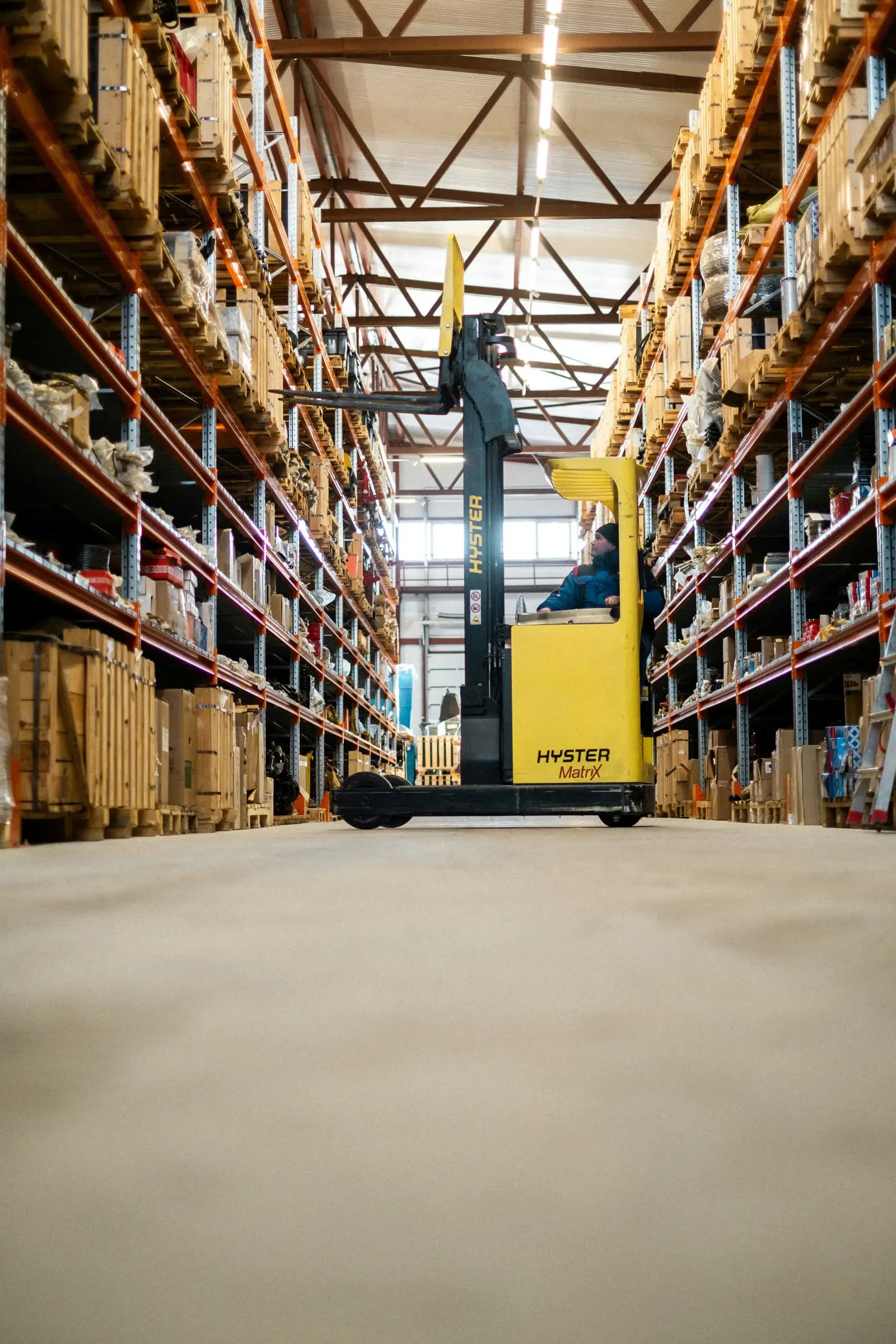
- Warehouses and distributors using forklifts, racking and handling gear
- Manufacturers with machinery they will run for years
- Medical and dental practices with expensive equipment
- Hospitality businesses with kitchen and coffee equipment
- Transport and construction firms that want predictable payments
- Any business that values using an asset over owning it
How does a finance lease work?
- You pick the equipment and get a quote from the supplier.
- The lessor assesses your business and the asset.
- The lessor buys the asset and leases it to you.
- You pay regular lease payments for the agreed term.
- At the end, you choose from the options in the contract: pay the residual, extend, refinance or return.
The lessor usually registers its interest on the Personal Property Securities Register, so the asset is visible as financed.
Finance lease compared with the alternatives
| Feature | Finance lease | Operating lease | Chattel mortgage | Hire purchase |
|---|---|---|---|---|
| Legal owner during term | Lessor | Lessor | Borrower | Lender |
| Typical term vs asset life | Most of it | Shorter | Flexible | Flexible |
| Who bears resale risk | Largely the lessee | Largely the lessor | Borrower | Borrower |
| End of term | Residual, extend or return | Return, upgrade or extend | Own it or clear balloon | Own it |
Read more on operating lease, chattel mortgage loans and hire purchase to see which fits.
What do lessors look at?
Your business. Trading history, financials, existing debts and cash flow. See the guide on loan serviceability.
The asset. Type, age, supplier and resale market. Common equipment from known brands tends to be easiest.
The term and residual. Lessors want the lease to finish before the asset is spent, and an estimated end value that is realistic.
Credit and security. Credit history matters, and some lessors may ask for a deposit or director guarantees, especially for newer businesses.
How does accounting treatment work?
Accounting standards for leases changed in recent years. Under AASB 16, many reporting entities show most leases on the balance sheet as a right-of-use asset and a lease liability. Smaller businesses that do not prepare general-purpose financial reports may be treated differently. Tax treatment is a separate question again. Because the results vary by business, ask your accountant how a finance lease will appear in your accounts and tax return.
Should I lease or buy?
Leasing can suit businesses that want lower upfront costs, predictable payments and the ability to refresh equipment. Buying through a chattel mortgage or hire purchase suits those who want to own the asset and keep it for a long time. Equipment that dates quickly, such as technology, may favour leasing; long-life assets may favour ownership. The guide on farm machinery lease versus loan walks through the same logic for a rural setting.
How Ownright arranges finance leases
Trevor Scott and the Ownright team have been solving awkward finance problems for a long time, and asset finance is no exception. We start by learning how the equipment will earn money and how long you expect to use it, then compare lease options against buying. If you already own equipment, a sale and leaseback may release cash. For warehouse gear, see forklift finance.
If a bank has said no or the equipment is unusual, we can look at what is available through lessors that handle that kind of asset. We work with clients Australia-wide from our Knoxfield, Victoria office.
An illustration
Illustrative scenario only. A small packaging business wants a new production line machine it expects to use for six to seven years. The owner prefers to keep cash for stock and wages. A broker could compare a finance lease with a chattel mortgage, set a residual that reflects realistic resale value, and ask the accountant which suits the company’s tax position.
Mistakes to avoid
- Setting an unrealistically high residual to shave the monthly payment
- Not reading end-of-term and return conditions
- Ignoring maintenance, insurance and damage responsibilities
- Assuming the lease and tax treatment are the same for every business
- Locking into a term longer than you plan to use the asset
Documents to have ready
- Supplier quote or invoice
- Photo ID for directors
- Recent financial statements, tax returns and BAS
- Bank statements and a list of existing finance
The guide on what documents you need is a good checklist, and the asset finance hub lists related products.
What happens at the end of the lease?
The contract should set out the end-of-term options clearly, and it is worth reading that section before anything else. Typical paths are paying the agreed residual and keeping the equipment, extending the lease at a reduced payment, upgrading to newer equipment under a fresh lease, or handing the asset back. Return conditions can include wear-and-tear standards and inspection costs, so ask what “good order” means in practice.
Does a finance lease suit every industry?
Not equally. It works well where equipment is expensive, long-lived and easy to value, such as material handling, manufacturing and medical gear. It is a weaker fit for highly customised items that few other businesses could use, because a lessor has trouble reselling them. If your equipment is unusual, tell us early. There are lessors and structures that handle specialist items, and sometimes a secured loan is the cleaner route. Our wider equipment finance page lists what else is available.
Can credit issues stop a lease?
They can slow it down, but they do not always end it. Lessors differ in how they treat past defaults, tax debts or thin trading history, and some will ask for a deposit, guarantees or extra security. Be upfront about the background and we will look at lessors open to that profile. If the file needs repair first, our bad credit asset finance page explains how weaker files are approached.
Looking at a finance lease for your business?
Sounds like you want a finance lease that puts the right equipment to work without draining your cash. We’re the lending experts in asset finance, so click the button below and see if you qualify.
How it works, step by step
- 1
Step 1
Share the equipment quote and a short outline of your business.
- 2
Step 2
We weigh a lease against buying, using your tax and cash flow picture.
- 3
Step 3
We approach lessors comfortable with the asset and your profile.
- 4
Step 4
You sign the lease, the supplier is paid and the asset is delivered.
Frequently asked questions
What is the difference between a finance lease and an operating lease?
A finance lease usually covers most of the asset's useful life, and the lessee carries much of the risk and responsibility, with a residual or purchase option at the end. An operating lease is generally shorter, with the lessor taking more of the resale risk. Each has different accounting and tax outcomes, so confirm with your accountant.
Do I own the equipment at the end of a finance lease?
Not automatically. The lender owns the asset during the lease. At the end you may be able to pay the residual and keep it, extend the lease, or return it, depending on the contract. We make sure you understand those end-of-term options before you commit to the lease.
Can I lease used equipment?
Often, yes, subject to the age, condition and resale market of the equipment. Lessors tend to be more comfortable with well-known brands and assets with a deep second-hand market. Tell us the make, model and year early so we can match you with a lessor who handles that type of asset.
Are lease payments tax deductible?
For many businesses, lease payments are treated as a business expense, but the exact treatment depends on your structure, the lease type and your accounting method. We are not tax advisers, so ask your accountant how a finance lease would be treated in your business before you sign.
Can a new business get a finance lease?
Sometimes. Newer businesses may need a deposit, personal guarantees or extra evidence of income, since there is less trading history to assess. Lessors vary a great deal in appetite. We look at the whole picture and approach those open to younger businesses.
What is a residual in a finance lease?
A residual is the amount agreed at the start as the asset's estimated worth at the end of the lease. It reduces the regular payments but is payable if you want to keep the asset. Setting it too high can be risky if the asset is worth less when the lease ends.