
Quick answer
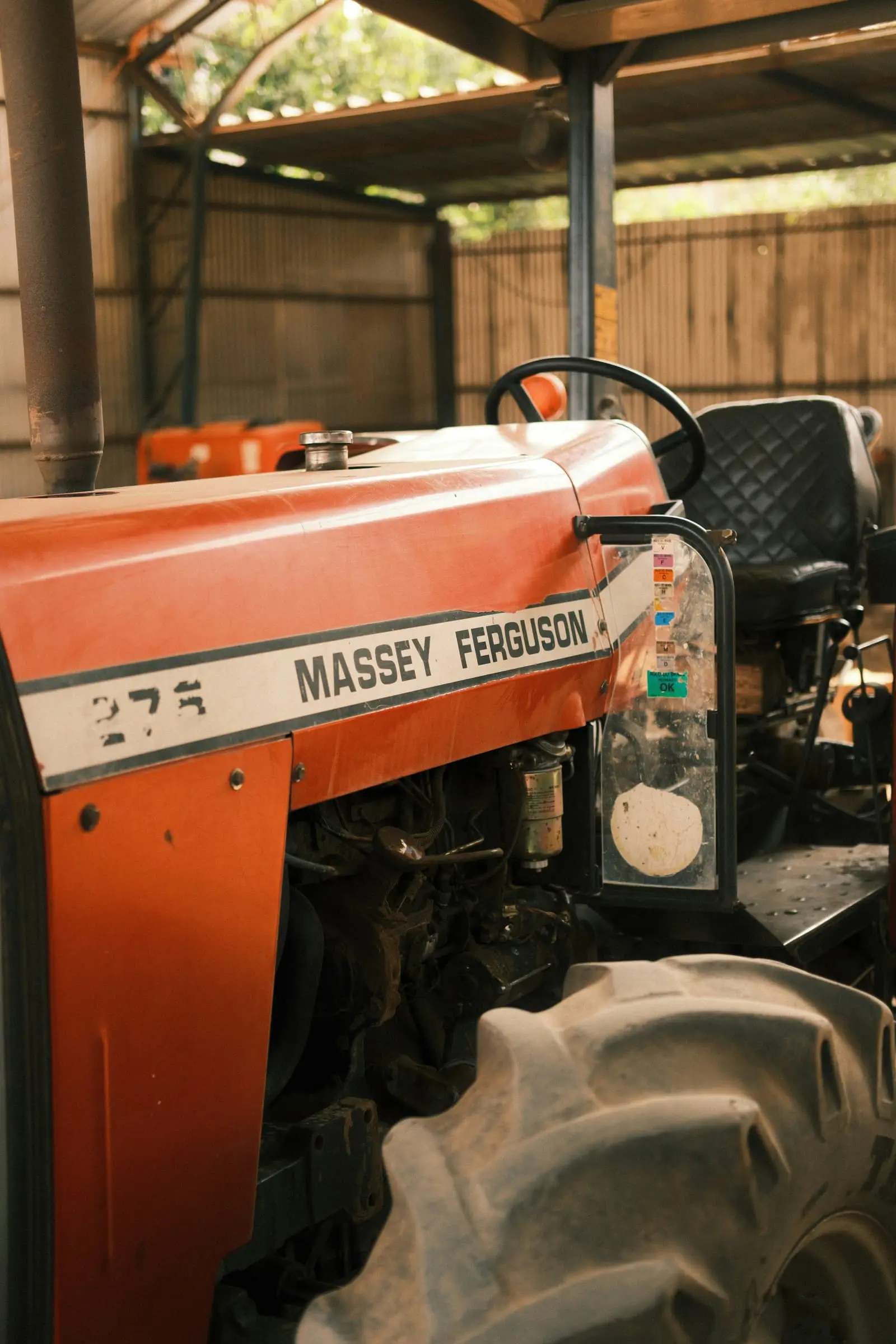
Farm equipment finance is a loan or lease used to buy machinery and plant for a farm, with the equipment itself usually acting as security. It suits headers, sprayers, balers, seeders, trucks, pumps and sheds. Ownright Custom Finance arranges farm equipment finance Australia-wide, with repayment patterns that can be shaped around when the farm earns.
Key points
- The machine is usually the security, which can keep farmland out of the deal
- Repayments can be monthly, quarterly, annual or seasonal depending on the lender
- New, used and private-sale equipment can all be financed in the right structure
- Chattel mortgage, finance lease and hire purchase suit different tax and ownership goals
- Suits
- Farmers, graziers and agricultural contractors
- Security
- The equipment being financed
- Products
- Chattel mortgage, finance lease, hire purchase
- Australia-wide
- Yes
What is farm equipment finance?
Farm equipment finance lets you acquire machinery without paying the full price up front. The loan or lease is secured against the equipment itself, so the lender’s comfort comes from the asset and from your ability to make repayments. For farms, that usually means a header or a seeder worth a serious sum, a sprayer or baler that has to be ready for a short season, or a set of pumps and a pivot.
Equipment sits at the heart of farm productivity. A reliable machine at the right time can lift yields, cut labour and save a crop. A breakdown at the wrong time can cost a season. That is why equipment finance is often one of the most time-sensitive parts of rural lending.
Who does farm equipment finance suit?
- Grain growers upgrading headers, air seeders and spray rigs
- Livestock producers buying feeders, handling gear or trucks
- Dairy farmers replacing milking plant or feed-out equipment
- Horticulturists investing in grading, picking or cold storage equipment
- Contractors who earn from their machines and need them working
- Farms replacing ageing equipment ahead of the next season
What products are available?
| Product | How it works | Often suits |
|---|---|---|
| Chattel mortgage | You buy the equipment and the lender takes a mortgage over it | Farms wanting ownership from day one |
| Finance lease | Lender owns the asset; you make payments and may have a residual | Those prioritising cash flow or equipment turnover |
| Hire purchase | Lender owns it until the final payment, then ownership passes to you | Buyers preferring a structured path to ownership |
| Equipment line of credit | A facility drawn for several purchases | Farms regularly buying plant |
| Sale and lease-back | Selling owned equipment to a lender and leasing it back | Releasing cash tied up in machines |
Tax treatment differs between these structures, and rules on depreciation and write-offs change from time to time. Check the current position with your accountant for your entity before committing.
What do lenders look at?
The equipment. Age, make, model, hours or kilometres, condition and resale market. Mainstream brands with a deep second-hand market are easier to finance than niche or heavily modified machines. A private sale may require an inspection or valuation.
The seller. Dealer purchases are usually simpler. Private sales involve extra checks, such as confirming ownership and that no existing finance is registered against the machine.
The farm’s cash flow. Lenders look at how the equipment will earn or save money and how the whole farm funds repayments. Seasonal income can be recognised when the structure is built properly.
The borrower. Credit history, entity structure, existing commitments and any guarantees.
Matching repayments to the farm calendar
A monthly repayment schedule is not always natural for a farm. Grain growers often receive most income in a few months after harvest. Wool growers see cash after shearing and sales. Cattle producers may have a spring or autumn sale cycle. Many lenders can offer quarterly, half-yearly or annual repayments, though not all, and not for every asset. The right structure keeps the farm from drawing on its operating line to cover machinery payments in lean months.
How Ownright arranges farm equipment finance
We approach equipment deals the way a good mechanic approaches a machine: look closely, listen, and fix the actual problem. Trevor Scott and the team have organised farm asset finance for decades, and know which lenders are comfortable with older machines, private sales, contractors or farms with a bumpy credit history.
If you are buying a single machine, we compare product types and lenders. If you have several debts on several machines with several lenders, we may recommend a restructure so repayments are more manageable. If time is tight, such as a header needed before harvest, we flag the issue to lenders early and explain the timing. Speed depends on the lender, the asset and how quickly documents arrive.
An illustration
Illustrative scenario only. A cropping family wants to replace an older seeder before sowing. The dealer has a suitable machine, but the family’s main lender is slow to respond, and the farm’s cash flow is stretched after a poor season. A broker could compare an asset finance lender comfortable with agricultural equipment, arrange a repayment schedule aligned to harvest, and keep the property security out of the deal by relying on the machine itself.
Mistakes to avoid
- Waiting until the machine is needed to start the finance conversation
- Choosing a repayment schedule that does not suit the farm’s cash flow
- Ignoring the cost of insurance, servicing and depreciation
- Buying privately without checking for existing finance registered on the machine
- Taking on too many separate facilities with too many lenders
Documents to have ready
- A quote or invoice for the equipment
- Two years of financials and tax returns
- Schedule of existing debts and finance
- Identification for borrowers and directors
- Details of the seller and, for private sales, proof of ownership
How do tax and accounting affect equipment choices?
For a farm business, equipment finance is rarely just about the repayment. Depreciation rules, GST treatment, the way an asset is held and whether it is owned or leased can all shift the after-tax cost. Primary producers also have tax tools such as income averaging that interact with big purchase years. Because these rules change and depend on entity type and turnover, the best approach is to bring your accountant into the conversation early. We can set out the financing options, and your accountant can tell you how each looks on your return.
What about GPS, precision-ag and specialty gear?
Modern farms invest in autosteer, variable-rate application, drones, yield mapping and other precision tools. These can be financed, but lenders vary in how they treat items that are software-heavy or hard to resell. Often the cleanest approach is to bundle them with the main machine on the same invoice, or to include them in a broader equipment facility. We check with lenders before you order, so you know what can be included.
What is the difference between new, used and private-sale purchases?
Where the machine comes from affects both the process and the lender’s comfort.
| Source | Typical process | Points to watch |
|---|---|---|
| New from a dealer | Quote, order and funding arranged together | Delivery timing, deposit, trade-in handling |
| Used from a dealer | Dealer supplies details and history | Age limits, condition, warranty |
| Auction | Fast decisions, sale terms fixed | Finance approval needed before bidding |
| Private sale | Buyer and seller deal directly | Ownership checks, existing finance, inspection |
Auctions in particular reward preparation. Having pre-approval or an approved equipment line in place before the day lets you bid with confidence. Our tractor finance page covers one of the most common purchases in detail.
How do age and hours limit finance on older machines?
Many lenders set limits on how old a machine can be at the end of the loan term, and a machine with high hours or kilometres may be treated differently from a lightly used one. Older gear can still be financed, but the term may be shorter, the deposit larger, or the pool of lenders smaller. For specialist or heavily modified equipment, a lender may want an independent valuation. If you are buying an older header or tractor to keep costs down, tell us before you commit, and we will check which lenders are comfortable with it. Our farm machinery refinance page covers the other side of the story, restructuring finance on machines you already own.
Can equipment finance be arranged for a contractor or a seasonal business?
Yes, and the assessment shifts to the contract book. A contractor earns from the machine, so a lender looks at customers, repeat work and utilisation, not only the farm’s income. Seasonal businesses benefit from repayment structures that follow the work, for example larger payments after harvest or a balloon at the end of a term. The agricultural contractor finance page explains how contractor files are built, and the guide on chattel mortgages sets out the most common structure.
What should I think about before signing a lease or loan?
Both structures have their place. A loan gives ownership sooner, while a lease can keep the machine off the balance sheet in some set-ups and align payments with equipment turnover. Questions worth asking:
- Who owns the machine during and at the end of the term?
- What happens to any residual or balloon payment?
- Are there limits on usage, hours or modifications?
- What are the early-exit and insurance requirements?
- How are the payments structured around your income?
- What will the total cost be over the full term?
Our guide on farm machinery: lease versus loan goes through these in depth, and your accountant can advise on the tax effect.
How do I avoid ending up with a pile of separate machinery loans?
It is easy for a farm to accumulate a handful of equipment loans with different lenders, terms and repayment dates. Each looked sensible on its own, but together they can crowd cash flow. A periodic review helps: list every facility, its balance, rate type, term, security and repayment date, and look for overlaps. Consolidating several into one structure, or aligning repayment dates with the farm calendar, can simplify management. Be careful that a consolidation does not tie machines together as security in a way that complicates later sales or trade-ins. We assess this trade-off as part of any restructure.
How does insurance fit into equipment finance?
Lenders generally require the financed machine to be insured, often with the lender’s interest noted on the policy. Harvesting and cropping machinery faces fire risk in the field, and livestock handling gear and trucks face accident risk on the road. Make sure the sum insured reflects the machine’s replacement value and that the policy covers where and how it is used. Raising it early with your insurer avoids delays at settlement. Trevor Scott’s team has seen settlements held up over a missing certificate, which is an avoidable problem.
What if a lender has declined my equipment application?
A decline is information, not a verdict. It might point to the asset, the seller, the entity structure, the credit file or the cash flow. We ask the lender or work out the reason, then look at options: different lender types, a larger deposit, extra security, a guarantor, a different asset or a broader rural refinance. Often the same machine can be financed through a different channel. When you are ready, tell us what you are buying and we will start with the reason for the decline.
Ready to move?
If your purchase is a tractor, see our page on tractor finance. If you already have machinery debt and want a better structure, farm machinery refinance could help. Contractors may find agricultural contractor finance more relevant, and our guide on farm machinery: lease versus loan compares the options in detail.
Send us the details of the equipment you want or call 03 7043 7233. Ownright Custom Finance, Knoxfield VIC, arranging farm asset finance Australia-wide.
How it works, step by step
- 1
Step 1
You tell us what equipment you need, from whom and roughly when.
- 2
Step 2
We compare product types and repayment patterns against your cash-flow calendar.
- 3
Step 3
We approach lenders comfortable with the asset type, age and seller.
- 4
Step 4
We coordinate documents, payment to the seller and delivery.
Frequently asked questions
What is the difference between a chattel mortgage and a finance lease for farm equipment?
With a chattel mortgage you own the equipment from the start and the lender holds a mortgage over it. With a finance lease the lender owns it and you pay to use it, often with a residual at the end. Tax treatment differs, so talk to your accountant about which suits the farm.
Can I finance used or second-hand farm machinery?
Yes, many lenders finance used equipment, including private sales, though age limits, condition checks and valuation requirements apply. Older machines often need shorter terms. Tell us the make, year and source of the machine early, because it affects which lenders are suitable.
Can repayments be set around harvest or sale income?
Often, yes. Some lenders offer quarterly, half-yearly or annual repayment schedules, or step-up structures that align with farm cash flow. Availability depends on the lender, the asset and the strength of the application. Share your income calendar with us so we can match the structure to the season.
Do I need a deposit for farm equipment finance?
It depends on the asset, the lender and your financial position. Strong applicants with good security may be able to finance the full purchase price; others may need a deposit or trade-in. We explain the likely requirement for your situation before you commit to a purchase.
Can I get equipment finance with a poor credit history?
Some lenders will consider applications with credit blemishes, especially when the asset is strong security and the cash flow is clear. Expect closer scrutiny and different terms. We look at how and when the issue occurred and which lenders are most open to it.
Is it better to lease or buy farm machinery?
It depends on how you use the machine, how long you will keep it, your tax position and cash flow. Our guide on lease versus loan sets out the trade-offs. Your accountant should confirm the tax effect for your entity before you decide.