
Quick answer
Agricultural contractor finance funds the machinery, vehicles and working capital behind contract harvesting, spraying, seeding, baling, shearing, cartage and similar services. Because income is seasonal and customers pay late, lenders assess it differently from farm lending. Ownright arranges contractor finance Australia-wide and prices each facility on your circumstances.
Key points
- Contractors earn from other people's land, so there is often no farmland to borrow against
- Machinery finance and working capital are the main needs
- Seasonal peaks and slow-paying customers shape the right structure
- Equipment can often secure its own finance
- Ownright works with lenders that understand contract work
- Suits
- Harvest, spray, seeding, baling, hay carting, cartage and shearing contractors
- Common needs
- Machinery, trucks, working capital, refinance
- Security
- The equipment, plus property or other assets where available
- Australia-wide
- Yes
What is agricultural contractor finance?
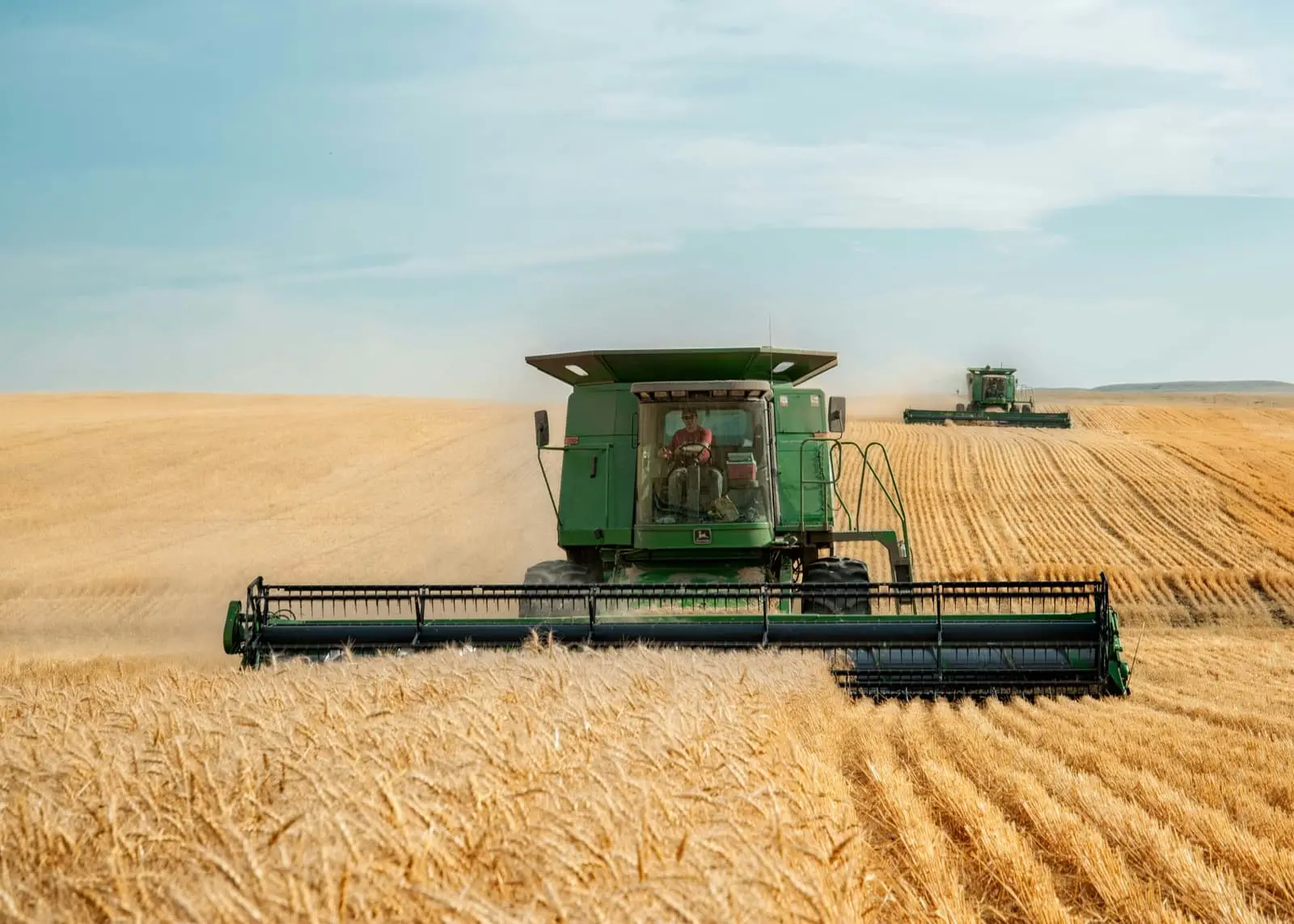
Agricultural contractor finance helps the people who do the heavy lifting on other people’s farms. That includes harvest crews, spray operators, seeding and tillage contractors, balers, hay carters, shearing teams, livestock carriers, fencing and earthmoving outfits, and drone or precision-ag service providers.
The capital tied up is substantial: headers, tractors, sprayers, trucks, balers, trailers, workshop plant. And the cash flow is unusual. Work comes in intense windows, customers settle accounts weeks or months later, and weather can stop a job overnight. Lenders who treat a contractor like a suburban tradie often get the assessment wrong.
What do ag contractors usually need finance for?
| Need | Examples |
|---|---|
| Machinery purchase | Header, tractor, sprayer, baler, seeder |
| Vehicles and trailers | Trucks, ute fleets, float trailers, stock crates |
| Working capital | Fuel, wages, parts and repairs before customers pay |
| Refinance | Replacing multiple equipment loans or a facility that has become too tight |
| Expansion | Adding a crew, a second machine or a new region |
| Tax pressure | Covering a bill after a big year |
See our pages on farm equipment finance, tractor finance and farm machinery refinance for the machinery side. For the wider business, rural business loans covers working capital and premises.
Why is contractor lending different from farm lending?
A farmer borrows against land that tends to hold its value. A contractor’s main asset is machinery that depreciates and moves around. The lender has to be comfortable with:
- The equipment. Age, hours, brand, resale market and where it will be located.
- The customer base. Repeat clients and long relationships are valued; reliance on a single large customer is a concern.
- Seasonal cash flow. A flat monthly repayment can bite in winter even though the business is sound.
- Utilisation. How many days per year the machine actually works.
- The owner. Credit history, other assets and experience in the trade.
Mainstream lenders tend to apply generic equipment policies. Specialist rural lenders usually understand the cycle and structure accordingly.
How can repayments be shaped around the season?
Depending on the lender, a structure may allow for things like:
- Repayments that follow the harvest or spraying season rather than a flat monthly pattern
- A balloon or residual that reflects the machine’s likely value at the end of the term
- A separate working capital line for the quiet months
- Equipment finance sitting alongside a line of credit, rather than one oversized loan
Not every lender offers these, and terms can differ with age and type of equipment. That is why it helps to ask a broker who talks to many lenders. Pricing is always set on your circumstances.
Who does this suit?
- New contractors buying their first major machine
- Established operators adding a second header or sprayer
- Businesses whose current finance no longer matches their work pattern
- Contractors with a tax debt or an uneven credit history
- Operators who also own some farmland and want to combine security
- Anyone whose bank turned them down because “contracting is too seasonal”
How does Ownright approach contractor finance?
Trevor Scott has more than 40 years in finance, and Ownright has built a reputation for finding ways forward when the first answer is no. For contractors, that means presenting the business properly: customer relationships, years of repeat work, the season’s calendar, the machine’s role. We look at both asset-backed and working capital options, and where land or other property is involved we explore combinations that lighten the load.
We work Australia-wide, from cropping regions to cane country to the cattle stations of the north. To start, send us a few details about the work you do and the equipment you want to fund.
An illustrative example
The following is illustrative only. A spraying and seeding contractor wants to add a second self-propelled sprayer before the winter season. The bank offers equipment finance but with flat monthly repayments that clash with a quiet summer. A specialist lender looks at three years of repeat clients, the equipment’s age and resale market, and structures the finance with seasonal flexibility. A small working capital line covers fuel and chemicals before invoices are paid.
Mistakes to avoid
- Buying machinery before locking in finance and discovering the lender wants a larger deposit
- Putting every machine into one big facility that is hard to refinance
- Using a credit card to cover fuel and wages until the season turns
- Relying on one customer for most of the work
- Skipping tax planning when a good season arrives, then facing a large bill
- Not keeping records of job counts, hours and invoices, which are strong evidence for lenders
Documents to have ready
- Business ID details and structure information
- Recent BAS and bank statements
- Last two years’ financials or an accountant’s letter
- Equipment details such as make, model, age and serial or VIN
- A list of regular customers and typical job volumes
- Any existing equipment finance statements
- ATO account summary if a payment plan exists
If paperwork is behind, see our low doc farm loans page for how alternative evidence can work.
Government settings that affect equipment buying
Tax treatment of business equipment, such as depreciation and any temporary write-off measures, changes from time to time. The ATO publishes current rules for depreciating assets, and your accountant can confirm how they apply to a purchase before you commit.
How is equipment valued for contractor finance?
For a contractor the machine is both the tool and the security, so lenders spend real time on it. Newer equipment from established brands with an active resale market is usually the easiest to fund. Older machines, specialised attachments and imported brands with thin dealer networks can be harder, and some lenders set a limit on age at the end of the term. Hours or kilometres, service history, and whether the equipment will be garaged or left in a paddock all feed in. A dealer quote, a recent independent assessment or an auction history for similar units can help a lender settle on a value.
What is the difference between a chattel mortgage, lease and hire purchase?
| Option | Who owns the machine | Where it often fits |
|---|---|---|
| Chattel mortgage | You, from the start, with the lender holding security | Contractors who want ownership and flexibility |
| Finance lease | The lender, with options at the end | Operators who prefer to upgrade regularly |
| Hire purchase | The lender until the final payment | Buyers who want a clear path to ownership |
| Operating lease | The lender, for a defined period | Short-term or specialised work |
The tax and accounting treatment of each differs, so check with your accountant. Our guides on the chattel mortgage and on farm machinery lease versus loan explain the structures in plain English.
How do you finance a whole crew rather than a single machine?
A harvest contractor does not just buy a header. There is the chaser bin, the trucks to cart grain, the fuel tanker, the workshop vehicle, accommodation for staff on the road and the wages to pay before the first invoice lands. Lenders who see these as one operation can build a package that works. Those who see only the header can leave the owner short on everything else. Presenting a complete budget for the season, with expected jobs, hectares or bales, and when invoices fall due, gives the lender a basis for sensible limits.
What does the season calendar look like for different contractors?
| Contractor type | Typical busy period | Cash-flow pressure point |
|---|---|---|
| Harvest | Late spring through summer in most cropping regions | Fuel, wages and repairs before payment |
| Spraying | Autumn to early winter, then again in spring | Chemical purchases and machine downtime |
| Seeding and tillage | Autumn and early winter | Large machine costs before any income |
| Hay and baling | Spring and summer | Weather delays and late customer payment |
| Shearing | Varies by region and flock | Travel, accommodation and equipment upkeep |
| Cartage | Linked to harvest and stock movements | Truck repayments, registration and fuel |
The exact timing depends on climate and crop, which is why a lender who knows your region is valuable.
How do state and regional differences affect contractors?
Registration, road rules and permits for oversize machinery differ between states, and moving a header from Western Australia’s wheatbelt to eastern Australia’s harvest involves planning. Some contractors follow the season across borders and need finance that tolerates a machine living in several places. Others work one district year-round. Lenders may ask where the equipment will be kept and insured. Ownright arranges finance in every state and territory, so whether you are based in the Mallee, the Riverina, the Darling Downs or the Eyre Peninsula, we can explore your options. See loans in regional and remote Australia for more.
Can an ag contractor use land or a home as extra security?
Yes, and it often widens the options. A contractor who owns a house, a rural block or a shed on land may be able to offer it alongside the equipment. That can allow a larger facility, a lower deposit or a longer term with some lenders. The trade-off is that more of your assets are tied to the loan, so it is worth thinking through before agreeing. Our rural property loans page covers how land is treated.
How do you show lenders the business is more than one season?
Repeat customers are the strongest evidence. A simple customer list showing who you have worked for and for how many seasons, supported by invoices and bank deposits, carries weight. So does a diary or job record showing days worked. If you have won new regions or services, say so. If a large customer has stopped using you, explain why. Contractors who can tell the story of their business clearly tend to find the lender conversation easier, and a broker can help shape that story.
Ready to talk machinery?
If you work other people’s land and need finance that fits how you earn, start your enquiry. If Ownright can’t find the solution, no one can.
How it works, step by step
- 1
Step 1
We look at your services, your customer mix, and when work and money actually arrive across the year.
- 2
Step 2
We separate equipment needs from working capital so each is funded sensibly.
- 3
Step 3
Ownright takes the file to lenders who understand contractors, not just farmers with their own land.
- 4
Step 4
You choose the structure, and we handle the paperwork and settlement.
Frequently asked questions
What is agricultural contractor finance?
It is finance for businesses that provide paid services to farms, such as harvesting, spraying, seeding, baling, shearing or cartage. It typically funds machinery, vehicles and working capital. Because the contractor does not usually own the paddocks being worked, lenders assess the business's earnings and equipment rather than farmland.
Can I finance a header or tractor if I am a contractor?
Yes, it is common. Contract machinery is often financed with the equipment as security, and a lender looks at your work history, customers and cash flow. See our farm equipment finance and tractor finance pages for how machinery lending works.
How do lenders view seasonal contractor income?
Specialist lenders expect it. Harvest and spraying work comes in bursts, and a bank statement with big gaps does not alarm them if the pattern is clear and repeats each year. Mainstream lenders can be less comfortable, which is where a broker's lender selection matters.
Can I get working capital when customers pay late?
Often there are options, such as a business line of credit, a working capital facility or invoice finance. The best fit depends on how reliable your debtors are and what security you can offer.
Can a contractor with a tax debt still get finance?
It can be possible. Lenders weigh the tax debt, the payment plan and the strength of the business. The earlier you mention it, the more options we have.
Do I need to own land to get contractor finance?
No. Many contractors borrow against the equipment itself. Where land is owned, it can add strength to a file, but it is not required for every facility.
Is contractor finance different from a chattel mortgage?
A chattel mortgage is one common way to structure machinery finance for a business. Contractor finance is the broader need, which may include a chattel mortgage, a lease, working capital or refinance. Our chattel mortgage guide explains the structure.