

Quick answer
Car and personal loans fund vehicles, equipment and life expenses, either secured against an asset or unsecured. Lenders look at income, the asset, the credit file and the purpose. Ownright Custom Finance arranges car, personal, tradie and equipment finance Australia-wide, including for self-employed borrowers and people whose credit history has made other lenders hesitate.
Key points
- Secured loans use the vehicle or asset as security, unsecured loans do not
- Self-employed borrowers are assessed on different evidence to employees
- Work vehicles and equipment can be a business purchase, not just a personal one
- Past credit problems narrow the field but rarely close it
- Refinancing and consolidating can simplify repayments when the structure fits
- Suits
- Employees, self-employed, tradies, families and small business owners
- Security
- The vehicle or equipment, or none for some personal loans
- Structure
- Secured and unsecured loans, leases, balloons and refinance
- Australia-wide
- Yes
What are car and personal loans?
A car loan is finance used to buy a vehicle, and the vehicle itself usually serves as security. A personal loan is a more general borrowing that covers a life need, such as a medical bill, a wedding, home repairs or sorting out a handful of debts. Between them sit work vehicles, equipment, boats, caravans and bikes, which are all things that people finance because they cost more than most of us have in the bank on a given Tuesday.
The common thread is that the amounts are modest compared with property, the paperwork is lighter, and the decision can be quick. The other thread is that small does not mean simple. Two applicants requesting identical sums may receive quite different outcomes, depending on how they are paid, what their credit file looks like and what the money is for.
Who uses these loans?
- Employees buying a family car or upgrading to something safer or more efficient
- Self-employed people who need a vehicle for work and have income that moves around
- Tradies and contractors who depend on a ute, trailer or machine to earn
- Families managing a large one-off cost without draining savings
- Borrowers with a rough patch on their credit file who still need reliable transport
- People with several small debts who want a single, simpler repayment
Whichever group you sit in, the lender is asking the same core question: can this be repaid comfortably from your income, and is the asset or purpose reasonable? Our guide to what loan serviceability means explains how that question is usually answered.
Secured or unsecured: which structure fits?
The difference matters more than most people expect. A secured loan is tied to an asset. If repayments stop, the lender can recover the asset. Because that lowers the lender’s risk, secured loans are often available for larger amounts, longer terms and borrowers who would struggle on an unsecured basis. An unsecured loan has nothing behind it except your promise to repay, so lenders look harder at income and credit history and often limit the amount.
| Feature | Secured loan | Unsecured loan |
|---|---|---|
| Backed by an asset | Yes | No |
| Typical use | Cars, trucks, equipment, boats | Life costs, small projects, consolidation |
| Lender risk | Lower | Higher |
| Credit file sensitivity | Often more flexible | Often stricter |
| Consequence of default | Asset can be recovered | Collections and credit damage |
The guide on secured versus unsecured personal loans goes through the practical trade-offs in more depth.
How do lenders assess a smaller loan?
Even a modest loan goes through an affordability check. Lenders look at income, regular expenses, existing debts and the stability of your work. They consider the credit file for enquiries, defaults and repayment history. For secured lending, they also look at the asset: its age, condition, price and how well it holds value. A lender is less enthusiastic about an older vehicle with a high price tag than about a younger one at a fair price.
Some lenders use a largely automated process, which can be fast but rigid. Others take a more manual look, which is slower but gives room to explain the story. Knowing which type suits your situation is a large part of our job. For the credit side, our guide on what makes up a good credit score in Australia is a useful primer.
How does being self-employed change things?
Without payslips, income has to be shown another way. Lenders may ask for tax returns, notices of assessment, BAS, bank statements or an accountant’s letter. Some are comfortable with alternative documentation; others expect conventional evidence only. The result is that two self-employed borrowers with the same income can have very different experiences. If this is you, self-employed car loans covers the detail, and the guide on how to prove income without payslips lists what lenders often accept.
What happens when credit is not perfect?
Past problems such as late payments, defaults, a bankruptcy or a run of recent enquiries narrow the lender list, but a narrower list is not an empty one. The lenders that deal with these files focus on how long ago the problems occurred, whether the borrower has stabilised and whether the asset is sensible. Expect to explain the history briefly and honestly. Our pages on bad credit car loans and bad credit personal loans give the full picture, and the bad credit car loan guide shows how to prepare.
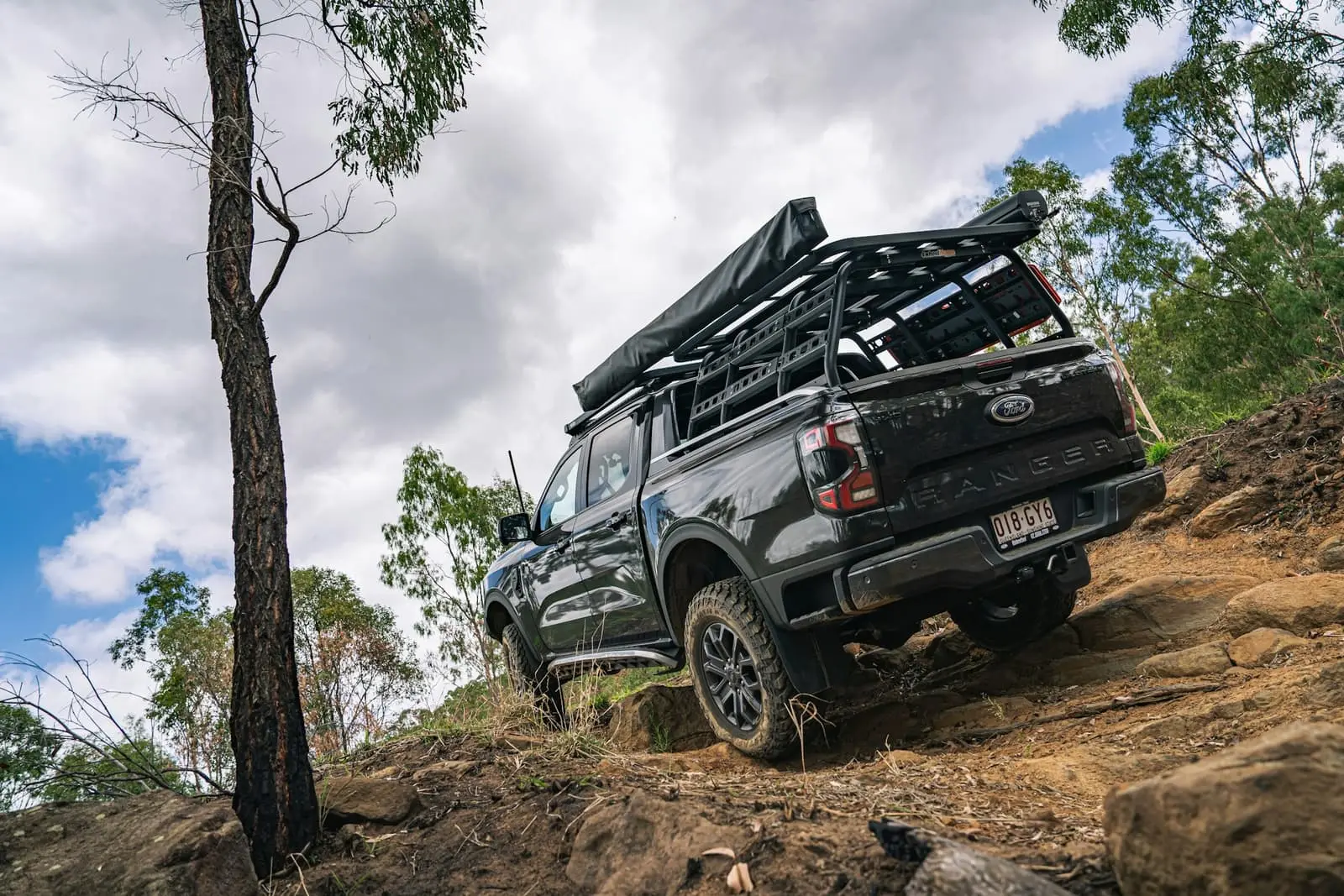
Which loan suits buying a car?
For most people, the starting point is a straightforward car loan, secured on the vehicle you are buying. New, used and private-sale purchases each have their own quirks. A dealer may offer finance on the spot, but that is one lender among many, and it is not always the best fit for your income type or credit file. A broker can compare options in the background and explain the structure before you sign anything.
Loan terms matter as much as the headline amount. A longer term lowers the repayment but keeps you in debt for longer and increases the total interest paid. Some loans include a balloon, a larger final payment that reduces the regular amount, and our explainer on balloon payment loans covers when that trade-off makes sense.
Can an existing car loan be improved?
If your current loan no longer suits, car loan refinance replaces it with a new one. People refinance when their income changes, when the first loan was written on difficult terms or when they want to release some cash. The vehicle’s age and the balance owing influence what is possible, and early exit costs on the old loan deserve a look. Done well, it can simplify repayments. Done carelessly, it can cost more than it saves, so the maths is worth checking first.
What about a car loan when credit is damaged or income is irregular?
Two separate pages cover these common situations. Bad credit car loans looks at lenders that take a second look at files with defaults or recent problems. Self-employed car loans covers business owners, contractors and gig workers whose income does not arrive in a neat fortnightly package. In both cases, the right lender and the right paperwork usually matter more than the amount borrowed.
Which loans suit tradies and work vehicles?
If a vehicle is the tool of the trade, the finance can be treated differently from a family car. Tradie ute finance is designed for sole traders and small contractors who need a work ute, often with a structure that matches how the business earns. Truck finance suits owner-drivers and fleet operators, where the age, use and resale value of the truck shape the loan. Our guide on chattel mortgages describes a common structure for work vehicles and machines.
What about machinery and equipment?
The same principle extends beyond vehicles. Equipment finance funds the tools a business uses to earn, from commercial kitchen gear and workshop machines to technology and medical equipment. Heavy machinery finance covers excavators, loaders and other earthmoving plant, where values, hours and maintenance history feed into the assessment. Lenders often like equipment finance because the asset is clear and the income it produces is easy to see. Sorting out ownership, whether in a company, trust or personal name, before purchase usually avoids a headache later.
Can I finance a boat, caravan or motorbike?
Lifestyle assets follow similar rules with a few twists. Boat finance looks at the type of vessel, its age, survey, storage and insurance. Caravan and camper finance covers road-trip dreams, from small camper trailers to large vans, and lenders often consider age and condition closely. Motorbike finance suits commuters, tourers and weekend riders. Because these are discretionary purchases, lenders pay close attention to affordability and the asset’s resale profile.
When does a personal loan make more sense?
Not every need involves a vehicle. A personal loan can pay for medical costs, study, a move, a big repair or a family event. If your credit history is a hurdle, bad credit personal loans explains how the field narrows and what lenders weigh instead. If you are juggling a handful of repayments, debt consolidation personal loans looks at combining them into one, and the guide on personal loan versus second mortgage compares that route with borrowing against property.
Ready to start the conversation?
If you already know what you need, start your car or personal loan enquiry and we will come back with a clear plan. If you are still weighing things up, call 03 7043 7233 and talk it through first. There is no pressure and no judgment about where you are starting from.

What does a realistic scenario look like?
Illustrative scenario only, with no real names. A self-employed electrician needs to replace a worn-out ute. Income is solid but lumpy, with a few slow months over summer. One lender asks for two years of tax returns and treats the most recent year, which dipped, as the baseline. Another accepts a mix of BAS and bank statements and views the average more kindly.
The electrician also has a small credit card balance and a store account. A tailored approach might be to lodge the outstanding paperwork first, choose a lender comfortable with variable income, structure the ute as a business purchase and keep the term at a level the slow months can handle. Same borrower, same vehicle, very different result depending on the route.
What mistakes should buyers avoid?
- Taking dealer finance without comparing it with other options
- Choosing the lowest repayment without looking at the length of the term
- Applying to several lenders in a short space of time and leaving multiple enquiries
- Borrowing for a vehicle that costs more than the income comfortably supports
- Ignoring insurance, registration and running costs in the budget
- Using a personal loan for a work asset when a business structure would suit better
- Skipping the fine print on early repayment and exit costs
Our guide on what to do if your loan is declined is worth a read before you apply anywhere, and the page on credit enquiries explains why too many applications can hurt.
What paperwork should be ready?
- Photo identification and proof of address
- Recent payslips, or tax returns, notices of assessment and BAS if self-employed
- Bank statements for the last few months
- Details of existing loans, credit cards and other regular commitments
- Information on the vehicle, boat or equipment, such as the contract of sale or a quote
- For work assets, business details and how the asset will be used
Where documents are missing, there are usually simple ways to get them. Our guides on what documents you need for a loan, getting your payslips and getting your credit report show how.
Should I consolidate debts or keep them separate?
Consolidation is attractive because one payment feels easier than five. It can also stretch debts across a longer period, which may increase total cost, and it works best when the underlying habits that created the debts have changed. Lenders ask whether the new loan genuinely improves your position. The honest answer depends on the amounts, the terms and what else is going on in your budget. We can map the options, including whether a secured structure or something like a second mortgage makes more sense.
How do leases and balloons fit in?
Some work vehicles and equipment purchases are better matched by a lease or a loan with a balloon. These structures can reduce the regular repayment and align costs with how the asset earns, but they leave a final amount to deal with. The guide on balloon payment loans and the one on chattel mortgages explain how each works and where each can go wrong. Your accountant is the right person on tax treatment, and we handle the lending structure around it.
How does Ownright approach car and personal finance?
Ownright Custom Finance is known for finding a way when the usual doors have closed, and that applies to smaller loans as much as large ones. Director Trevor Scott has more than 40 years in finance and leads a team that arranges vehicle, equipment and personal loans Australia-wide. We start by listening to what you actually need, then match you with lenders whose policies suit your income and credit, rather than firing applications into the wind.
That can mean a lender that understands self-employed income, a specialist who handles credit-impaired files or a structure that separates a work vehicle from personal borrowing. It can also mean telling you plainly when waiting a few months would open better options. When the answer is not obvious, we like to think that if Ownright cannot find the solution, no one can.
Sounds like you need a loan that fits your life?
Whether it is a set of keys, a work ute or a way to simplify what you owe, we are the lending experts in car and personal finance across Australia. Click through, see if you qualify, and we will take it from there. Prefer a chat? Call 03 7043 7233 and speak with our Knoxfield, Victoria team.
How it works, step by step
- 1
Step 1
We learn what you are buying or fixing, how you earn and what a comfortable repayment looks like.
- 2
Step 2
We choose between secured, unsecured, business or personal structures and decide how the asset is held.
- 3
Step 3
We approach lenders whose policy suits your income type, credit file and the asset.
- 4
Step 4
We manage paperwork, conditions and settlement so you can pick up the keys or clear the debt.
Frequently asked questions
What is the difference between a secured and an unsecured loan?
A secured loan is backed by an asset, such as the car, truck or equipment being bought, which the lender can claim if repayments stop. An unsecured loan has no asset behind it. Secured loans can suit larger amounts or weaker credit files, while unsecured loans suit smaller needs. Both are assessed on affordability.
Can I get a car loan if I am self-employed?
Yes, though lenders ask for different evidence than they would of an employee. They may use tax returns, notices of assessment, BAS or bank statements to confirm income. Some lenders are more comfortable with self-employed borrowers than others, which is where choosing the right one makes a real difference.
Will bad credit stop me getting a car or personal loan?
It can narrow the choices, but it does not always close the door. Lenders look at the type, age and number of listings, what has happened since and the stability of your income now. A few specialist lenders look at the whole picture rather than relying on a credit score alone.
Can I finance a work vehicle through my business?
Often yes. Utes, vans, trucks and equipment used for work can be financed in a business name, with structures such as chattel mortgages or leases, depending on the lender and the use. Your accountant can advise on tax treatment, while we look at what finance suits the asset and cash flow.
Can I refinance an existing car loan?
Possibly. Refinancing replaces the current loan with a new one, which may change the term, repayments or lender. Lenders look at the vehicle's age and condition, the balance owing and your current position. Check early settlement costs on the existing loan before deciding, and we can walk through the numbers with you.
Can I consolidate several debts into one personal loan?
Sometimes. Debt consolidation combines multiple debts into a single loan, which can simplify repayments, but it can also lengthen the time you are in debt. Lenders will assess whether the new loan is affordable. We can explain the trade-offs and whether another structure, such as a secured loan, would suit better.
What can I use a personal loan for?
Personal loans commonly cover things like medical costs, education, a wedding, a home project, a move or consolidating debts. Lenders usually ask about the purpose and may treat it differently depending on risk. Some purposes, such as investing, are less commonly accepted, so it is worth raising the plan at the outset.
Do you arrange car and personal loans outside Victoria?
Yes. Our head office is in Knoxfield, Victoria, but we arrange car, personal and equipment finance in every state and territory. Most of the process happens by phone, email and electronic signing, so location rarely gets in the way.