
Quick answer
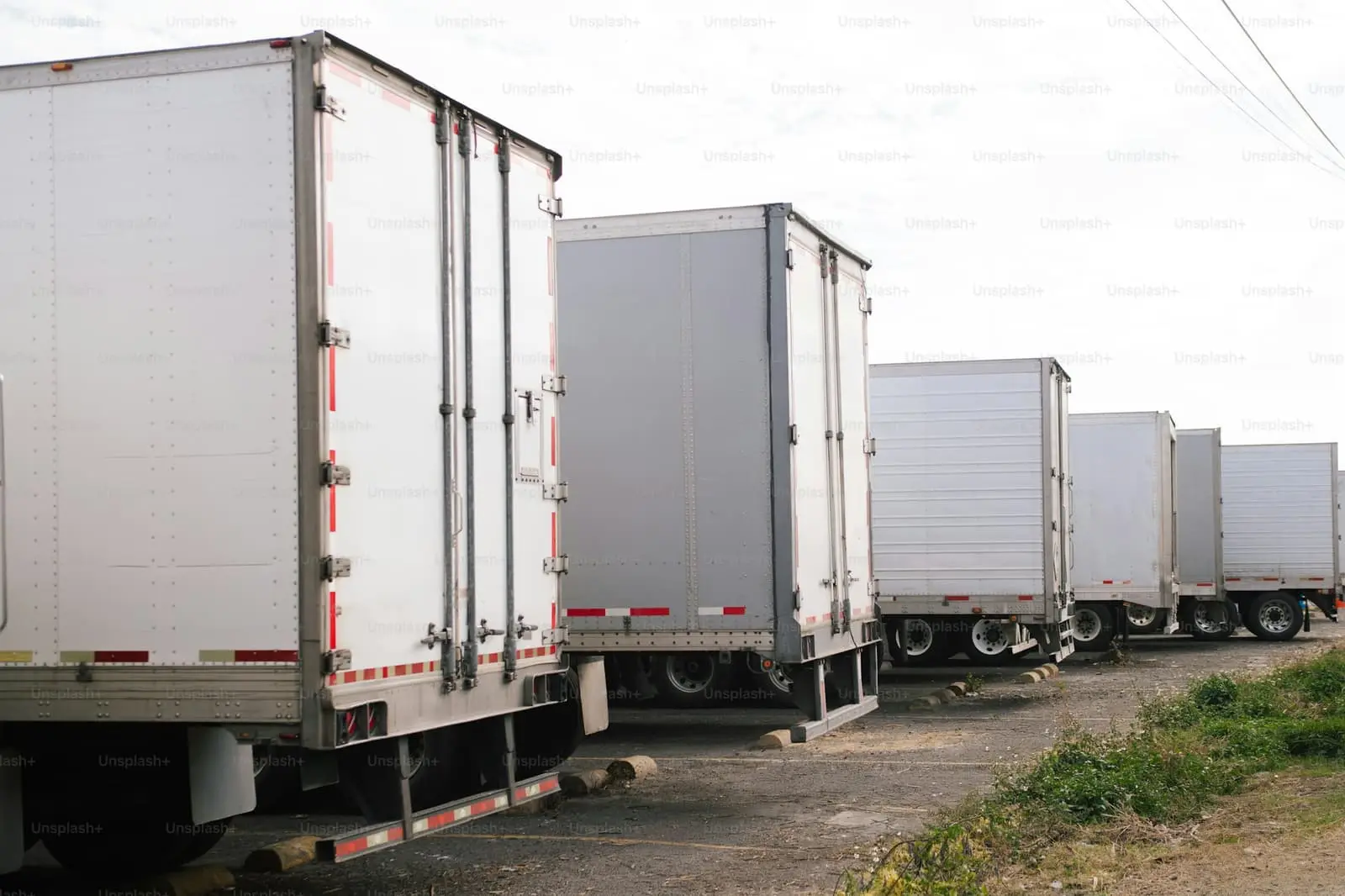
Truck finance is a loan or lease used to buy a rigid truck, prime mover, trailer or similar commercial vehicle, with the truck usually acting as security. Ownright Custom Finance arranges truck finance Australia-wide for owner-drivers, small fleets and operators with complex files, comparing structures before you commit.
Key points
- New and used trucks, prime movers and trailers
- Owner-drivers and growing fleets both catered for
- Contracts, work history and cash flow all matter
- Structures such as chattel mortgage and lease can be compared
- Suits
- Owner-drivers, subcontractors, small and mid-size fleets
- Security
- Usually the truck or trailer being financed
- Pricing
- Set on your individual circumstances
- Australia-wide
- Yes
How does truck finance work?
Truck finance lets a business, owner-driver or subcontractor buy a commercial vehicle without paying the full price up front. The lender advances the funds, you repay them over an agreed term, and the truck normally serves as security. Rigid trucks, prime movers, tippers, tray trucks, trailers and even refrigerated bodies can all be financed.
Because the truck earns money, lenders tend to look at the work behind it. Contracts, a history in the industry and the strength of your cash flow often carry as much weight as a credit score.
Ownright Custom Finance arranges truck finance Australia-wide under director Trevor Scott, who brings more than 40 years of finance experience. We are as comfortable with a first-time owner-driver as with a fleet adding another prime mover.
Who is truck finance for?
- Owner-drivers moving from employee to running their own truck
- Subcontractors who have been offered a line-haul or local contract
- Small fleets replacing ageing trucks or adding capacity
- Tradies and earthmoving operators who need a tipper or float truck
- Businesses refinancing trucks they already own to improve cash flow
For the wider picture on moving freight, see our page on transport and logistics finance.
What do lenders look at for truck finance?
Truck lenders look at the asset and the operator. Common checks include:
- Industry experience: how long you have driven or operated trucks
- Work in hand: contracts, regular clients or a letter of engagement
- Financials: tax returns, BAS, profit and loss, bank statements
- Credit history: personal and, where relevant, business
- The truck: age, type, hours or kilometres, condition and price
- Deposit and trade-in: equity you are bringing to the purchase
- Insurance: most lenders require comprehensive cover on the truck
How do truck finance structures compare?
| Structure | Ownership | Typical use |
|---|---|---|
| Chattel mortgage | You own the truck, lender holds security | Owner-drivers and businesses wanting ownership from day one |
| Finance lease | Financier owns, you pay to use | Fleets that want predictable costs |
| Hire purchase | You hire, then own after the final payment | Operators who prefer a defined path to ownership |
| Rent-to-own style arrangements | Varies by provider | Short-term or flexible needs |
Tax treatment differs between structures and depends on your business, so it pays to confirm with your accountant. Our chattel mortgage guide explains the most common structure in plain English.
Does the instant asset write-off help with a truck?
It can, but it depends on the cost and your eligibility. The ATO states that the instant asset write-off applies to eligible small businesses with aggregated turnover under $10 million, and lists a $20,000 threshold for assets first used from 1 July 2023. Most trucks cost more than that, so many operators rely on regular depreciation instead. Rules and thresholds change, so check the ATO website or your accountant for the current year.
How does Ownright approach truck finance?
We start with what the truck needs to do. A tipper doing local civil work has a different profile to a prime mover running interstate, and lenders view them differently. Then we look at your paperwork and decide which lenders are likely to understand it.
Ownright often finds options for operators whose files do not fit the standard mould: new businesses, uneven income, a past credit blip, or an older truck that mainstream lenders avoid. Approval is never guaranteed, but a well-matched application can change the outcome.
When you are ready, apply online or call our Knoxfield head office on 03 7043 7233.
An illustrative example
Illustrative only: an experienced driver has been offered regular local cartage by a business that already uses his services as a subcontractor. He wants a second-hand tipper. He has been trading for about a year, and his first tax return shows modest profit after setup costs.
In a case like this, Ownright would present the cartage arrangement, the year of trading history and bank statements together, and look at lenders that place weight on industry experience. A deposit and a truck of sensible age can help, and the structure would be compared before commitment.
Mistakes to avoid with truck finance
- Choosing a term that outlasts the useful life of the truck
- Underestimating running costs such as registration, insurance, servicing and tyres
- Buying before finance is confirmed, then being stuck with a deposit paid
- Skipping a PPSR search on a used truck, which can show whether it carries other security interests
- Ignoring the final-payment balloon until the last year of the loan
- Relying on a single lender conversation when a few options exist
Documents to have ready
- Photo ID and ABN details if trading
- Last two years of tax returns and BAS, or recent bank statements for newer businesses
- Contracts, work orders or letters from clients
- Truck details: make, model, year, VIN or dealer quote
- Current loan statements if you are refinancing
- Evidence of any deposit or trade-in
Related options
Many operators combine truck finance with other needs. Equipment finance covers trailers’ accessories and tools, heavy machinery finance handles excavators and loaders, and trade and contractor loans look at working capital.
How does the age of the truck affect finance?
Lenders pay close attention to how old a truck is and how hard it has worked. A late-model prime mover with moderate kilometres is usually easier to place than an older one with high kilometres, because its resale value is more predictable. Older trucks are not out of the question, but the term may be shorter, the deposit expectation higher or the lender pool narrower.
Hours and kilometres matter alongside age. Two trucks built in the same year can be very different propositions if one has done local runs and the other has covered long interstate distances. A service history and, for bigger purchases, an independent inspection give the lender confidence and give you protection too.
What about GST, depreciation and tax?
Business vehicles raise tax questions that have nothing to do with the lender: whether GST on the purchase can be claimed, how the truck is depreciated, how interest is treated and how the structure affects your reporting. These depend on your entity type and your circumstances, so they are best answered by your accountant before you sign. The ATO website publishes guidance on depreciation and small business concessions, and it is worth a look.
The car limit that applies to some passenger vehicles is aimed at cars designed to carry a load of less than one tonne and fewer than nine passengers. Most trucks sit outside that definition, but the details are for your accountant to confirm.
Can you finance a truck and trailer together?
Often, yes. Bundling a prime mover with a trailer, or a tipper with a dog trailer, can simplify the paperwork and sometimes the pricing. Some lenders prefer separate contracts for each asset, particularly if they are bought from different suppliers. Whether one facility or two makes more sense depends on cash flow and how you plan to use the assets.
Accessories such as tarps, hydraulics, refrigeration units, tail-lifts and toolboxes can often be included if they appear on the supplier invoice. It is worth raising this at the start so the finance reflects the whole package.
What if the work is seasonal or contract-based?
Many transport businesses have uneven income, whether through harvest peaks, construction cycles or the loss and gain of contracts. Lenders who understand the industry look past a single quiet month and consider the pattern. Presenting that pattern well is where preparation pays off.
Useful evidence includes:
- Contracts or letters of engagement showing ongoing work
- Bank statements that reflect regular receipts
- A short summary of the seasonal cycle and how you manage it
- A history of meeting repayments on earlier vehicles or equipment
If your business also needs working capital to carry it through slow periods, our page on transport and logistics finance covers broader options.
Talk to Ownright about your truck
Whether it is your first truck or your fifteenth, a quick call can save weeks of knockbacks. Ownright arranges truck finance across every state and territory. Send us your details and we will find a way to get your truck moving.
How it works, step by step
- 1
Step 1
Tell us about the truck, how it will be used and any contracts or work already lined up.
- 2
Step 2
We review your operating history, financials and credit, then discuss structure options.
- 3
Step 3
We approach lenders familiar with transport, matched to the age and type of truck.
- 4
Step 4
We guide the paperwork, insurance requirements and settlement so the truck can get to work.
Frequently asked questions
Can I get truck finance as a new owner-driver?
It can be possible, although lenders usually want to see evidence of industry experience, secured work or contracts, and a sensible financial position. A deposit or a slightly older truck can help. Ownright can talk through your situation and what lenders tend to prefer.
What is the difference between a loan and a lease for a truck?
With a loan such as a chattel mortgage, you own the truck from day one and the lender holds security over it. With a lease, the financier owns it and you pay to use it, sometimes with a residual at the end. Tax treatment differs, so check with your accountant.
Can I finance a used truck?
Yes, many lenders finance used trucks and trailers, although age, kilometres or hours and condition can affect terms. A lender may want to see an inspection or valuation. A PPSR search is also a sensible check to confirm the truck is free from other security interests.
Does the instant asset write-off apply to trucks?
It can, if your business meets the eligibility rules and the truck costs less than the current threshold. The ATO lists a $20,000 limit for eligible small businesses at the time of writing, so most trucks exceed it. Check the ATO or your accountant for the current position.
Can I get truck finance with bad credit?
Sometimes. Lenders that specialise in commercial vehicles may look at the asset, the work behind it and the story behind the credit file. Approval is not guaranteed, but past problems do not automatically rule you out.
Can I refinance an existing truck loan?
Often, yes. Refinancing may free up cash flow, change the term or move you away from a lender who is no longer a good fit. Early payout costs and remaining term matter, so it helps to compare before switching.