
Quick answer
Trailer finance is a loan or lease used to buy new or used trailers, such as box, tipper, plant, car, flatbed, enclosed and semi-trailers, with the trailer usually held as security. Ownright Custom Finance arranges trailer finance Australia-wide for tradies, farmers, freight operators and hire businesses, including private sales and tighter credit files.
Key points
- Light, plant, tipper and semi-trailers can be considered
- New, used and private-sale trailers may be financed
- Trailers can sometimes be added to a truck or ute purchase
- Business and some personal uses are both assessed
- Suits
- Tradies, farmers, freight operators, hire firms, event and mobile businesses
- Security
- The trailer being financed
- Structures
- Chattel mortgage, hire purchase, lease options
- Australia-wide
- Yes
How does trailer finance work?
Trailer finance spreads the cost of a trailer over time rather than demanding the full price upfront. The lender pays the seller, you repay over an agreed term, and the trailer is the lender’s security. Depending on the structure you own it at the end or have options to return, upgrade or buy it.
Trailers are the quiet workhorses of Australian business. A plant trailer lets a contractor move gear between sites, a tipper handles bulk loads, a curtain-sider earns on the highway. Because the trailer often drives income directly, the finance should be set up around that.
Who uses trailer finance?
- Tradies and landscapers hauling tools, materials and small plant
- Earthmoving and civil contractors moving machinery
- Farmers and graziers needing stock, bale and bulk trailers
- Freight operators adding semi-trailers to a fleet
- Event, catering, mobile retail and food-truck businesses
- Hire companies renting trailers to the public or trade
What do lenders look at?
The trailer. Type, make, age, axle configuration, build quality and condition. Mainstream builders with a healthy resale market are easier to place than one-off home-built units.
The seller. Dealer sales are straightforward. Private sales involve ownership checks, and lenders search the Personal Property Securities Register for existing claims.
The borrower. Credit history, income, trading record and existing debts. For businesses, tax returns, BAS and bank statements are commonly requested.
The use. A trailer that is clearly tied to income is viewed differently from one bought for occasional use.
The deposit. A deposit or trade-in reduces the amount financed and can broaden the choice.
Which structure suits a trailer?
| Structure | Ownership | Typical appeal |
|---|---|---|
| Chattel mortgage | You from day one | Trailers you keep for years |
| Hire purchase | Lender until the last payment | Clear path to ownership |
| Finance lease | Lender | Fleet refresh |
| Personal-style loan | You | Smaller, non-business purchases |
Your accountant is the right person to confirm the tax side. Our chattel mortgage guide is a clear starting point.
Small trailers versus semi-trailers
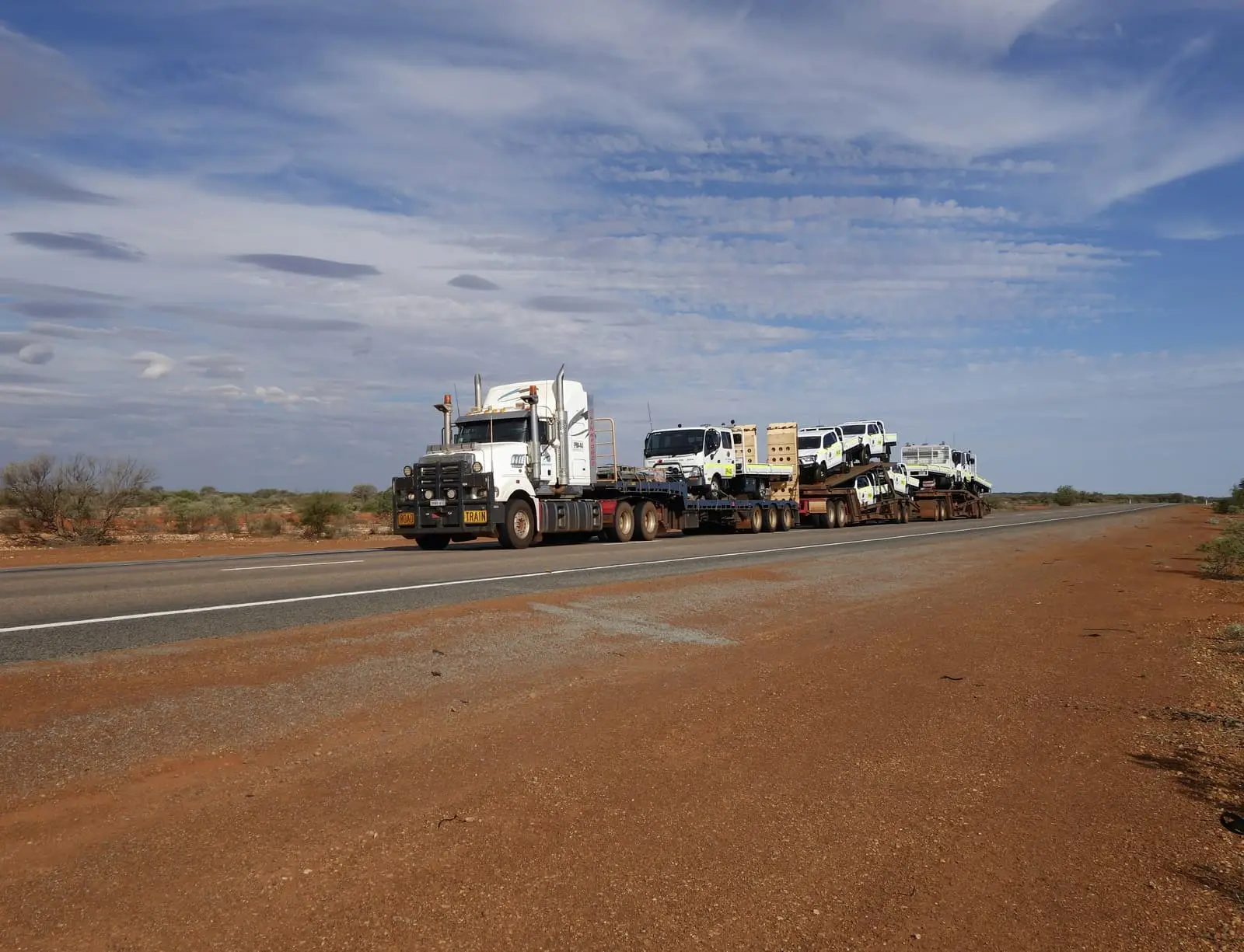
A tandem box trailer for a landscaper and a tri-axle drop deck for a freight firm are very different assets. The first is relatively simple to value and resell. The second sits in a regulated freight environment, with heavy vehicle rules published by the National Heavy Vehicle Regulator, and its worth is closely tied to the prime mover and the work available. Lenders adjust their appetite accordingly. If your plan involves a prime mover as well, see truck finance and transport and logistics finance.
How Ownright arranges trailer finance
Trevor Scott and the team begin with the trailer and what it will do. We then look at the business, because a lender approving a trailer is also judging the operation behind it.
If a bank has turned you down, there may be an asset lender who is relaxed about an older trailer, a younger business or a credit blemish. Because pace depends on the lender, the security and your paperwork, we spell out what is needed up front. We arrange trailer finance in every state and territory, from city trade yards to farm gates.
An illustration
Illustrative scenario only. A civil contractor buys a second excavator and needs a tag-along plant trailer to move it between jobs. The trailer is a modest purchase on top of a larger one. A broker could consider bundling the trailer with the machine on a single facility, or placing it separately with a lender that handles smaller items quickly.
Mistakes to avoid
- Buying a used trailer without checking identification numbers and ownership
- Skipping a search for existing finance on a private sale
- Overlooking registration, insurance and compliance requirements
- Choosing a term longer than the trailer’s useful life
- Making several lender applications in a short window
Documents to have ready
- Quote, invoice or listing with identification numbers
- Recent tax returns, BAS and bank statements
- Schedule of existing debts and assets
- Photo ID
- Details of any trade-in
See what documents you need for a loan for the full set.
Can I buy a trailer privately or at auction with finance?
Yes, but plan ahead. Private sales need ownership proof and an encumbrance check, and auctions often require payment quickly after the hammer falls. Pre-arranged finance or at least a conversation with a lender beforehand takes much of the stress out. Our private sale asset finance page explains how these deals work, and used equipment finance covers age and condition.
What about trailers for caravans, campers and horse floats?
Leisure trailers are assessed differently from commercial ones. Caravans and campers are typically treated as lifestyle purchases, and our caravan and camper finance page explains the approach. Farm trailers sit under farm equipment finance.
What if my credit is not perfect?
Trailer finance is not off the table after a default or with a young business. A deposit and a sensible trailer can offset a mark for some lenders. Tell us the story, as lenders find out regardless. More on this sits at bad credit asset finance and in the credit score guide.
How long does trailer finance take?
We do not give a fixed time, because it depends on the lender, the trailer and your documents. Dealer deals with tidy paperwork usually move first, with private sales and older units after. Listings without identification numbers, missing statements and unsigned returns slow things down. Tell us your deadline when you get in touch.
What running costs come with a trailer?
Repayments are only part of the cost. Registration, insurance, tyres, brakes, bearings, lighting, servicing and compliance inspections add up, particularly for heavier trailers used daily. Tipper, refrigerated and curtain-side bodies bring their own maintenance. A cheaper used trailer can cost more over time if it needs major work. We include these costs in the conversation so that the term and repayment you choose still make sense once the trailer is in service.
Ready to hook up the next trailer?
Sounds like you’re looking for trailer finance. We’re the lending experts in funding trailers of every shape and size, so click the button below and see if you qualify.
How it works, step by step
- 1
Step 1
Send the trailer details or listing and tell us how it will be used.
- 2
Step 2
We compare structures against your cash flow and tax position.
- 3
Step 3
We approach lenders comfortable with the trailer type, age and seller.
- 4
Step 4
Paperwork is signed, the seller is paid and the trailer is delivered.
Frequently asked questions
What types of trailers can be financed?
Lenders commonly finance box and flatbed trailers, tippers, plant and machinery trailers, car trailers, enclosed trailers, horse floats and semi-trailers such as curtain-siders, tautliners, drop decks and refrigerated units. Specialised bodies are assessed on their own merits. Tell us the type and use and we will explain how it tends to be treated.
Can I finance a used trailer from a private seller?
Often, though private sales mean more checks. Lenders want proof of ownership, the identification numbers and confirmation that no finance is registered against the trailer. A search of the Personal Property Securities Register helps. We can explain which lenders handle private sales and what timing is realistic.
Can a trailer be financed together with a truck or ute?
Commonly yes. A trailer on the same quote as a truck or ute can often sit in the same facility, which keeps paperwork simple. Heavy trailers sometimes need a separate assessment. We look at the whole purchase and suggest whether to combine or separate the items.
Are semi-trailers financed differently from small trailers?
Usually. Semi-trailers are higher value, used in freight operations and sit within heavy vehicle rules, so lenders look at the operation, the freight mix and the prime mover behind them. Small trailers are simpler and often easier. We match the trailer to lenders that understand that segment.
Can I finance a trailer for a hobby or personal use?
Sometimes. Car trailers, camper trailers and horse floats are sometimes financed for personal use, usually through different products and criteria from business finance. Terms and assessment differ. Tell us how you plan to use it and we will explain the realistic options.
What if the trailer loses value faster than I repay?
Trailers depreciate with age and use, and a long term with a small deposit can leave the balance above the resale value for a while. A realistic term, a sensible deposit and an honest view of the working life help. We talk through the likely curve before you commit.