
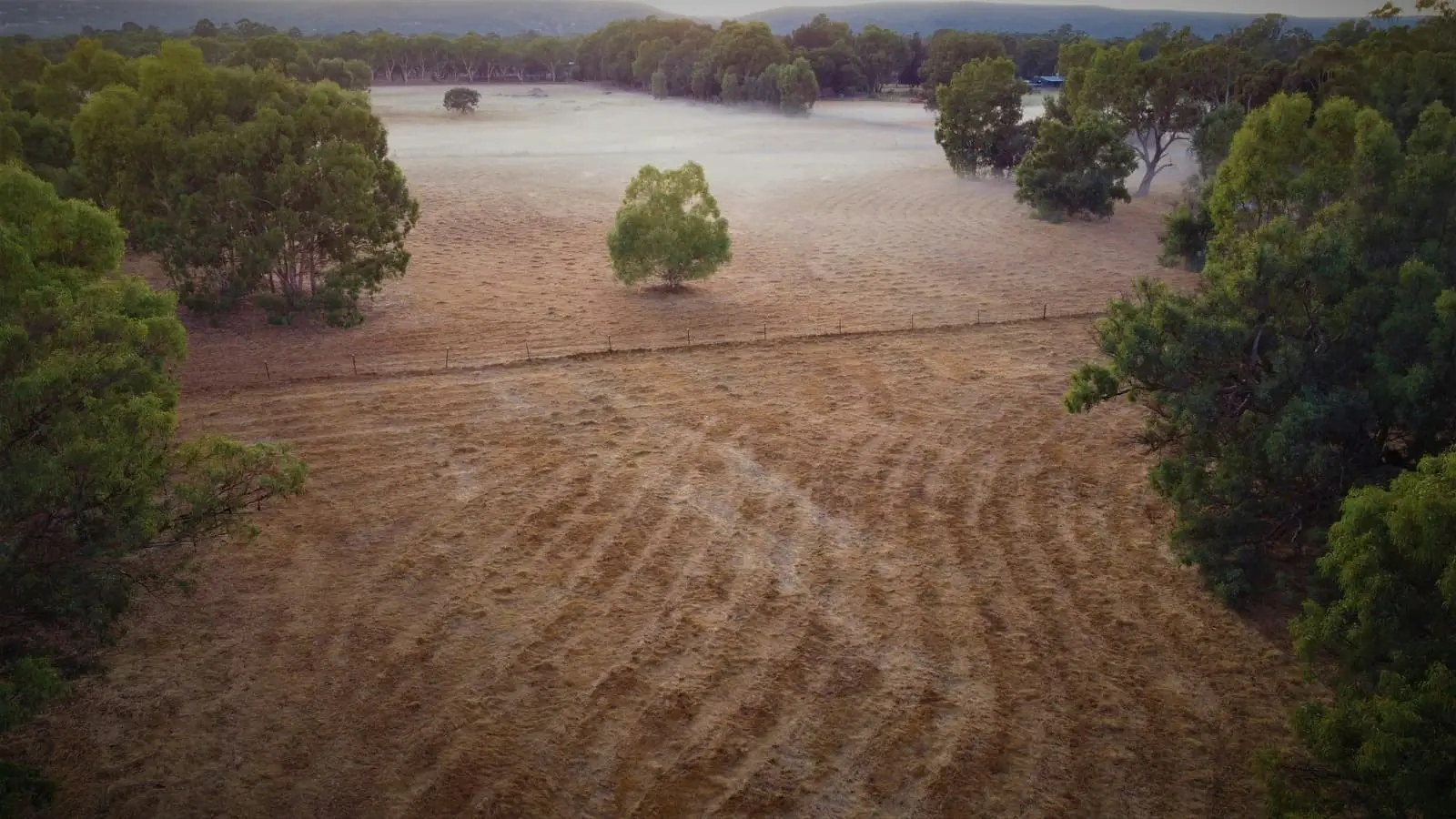
Quick answer
Rural subdivision finance funds the process of dividing a farm or rural block into smaller titles: planning approvals, surveys, roads, services and civil works, then settlement of the new lots. It is often staged and repaid from lot sales or a refinance. Ownright Custom Finance arranges rural subdivision finance Australia-wide, including private and short-term options.
Key points
- Funds approvals, surveys, civil works and holding costs
- Usually staged, with funds released as milestones are met
- Repaid from lot sales, a refinance or retained lots
- Planning rules differ by state and council, so approvals drive the timeline
- Suits
- Landowners, farm families, small developers and investors
- Security
- The land being subdivided, plus other property if needed
- Exit
- Sale of lots, refinance or retention
- Australia-wide
- Yes
What is rural subdivision finance?
Rural subdivision finance pays for the steps involved in splitting a larger rural title into smaller ones. That may mean carving off a house block from a working farm, dividing acreage into lifestyle lots, or creating several parcels for sale. The money covers the approvals, the survey, the engineering and civil works, and the interest and holding costs while the project proceeds. It is repaid when lots are sold, when retained lots are refinanced, or from another source.
Subdivision is a regulated process, handled through local councils and state planning systems. Rules on minimum lot size, zoning, bushfire, flooding, vegetation, water and road access vary widely across Australia. For a lender, that makes the approval status one of the most important facts about the project.
When do landowners consider a subdivision?
- Releasing equity from part of a farm without selling the whole property
- Creating a lot for a family member as part of succession planning
- Selling a surplus house block, shed or paddock to reduce debt
- Developing acreage near a growing town into rural-residential lots
- Investors buying large parcels to divide and sell
- Responding to a drought, downturn or health issue with a part-sale strategy
What do lenders look at?
Planning status. Is the subdivision permitted, in progress or merely hoped for? A lender is more comfortable with a granted permit than with an idea. Council advice, pre-application meetings and consultants’ reports help.
The numbers. Land cost, approvals, civil works, contingencies, interest, selling costs and expected lot values. The project should still make sense after sensible stress-testing.
The exit. Sales of lots, refinance of retained lots or repayment from a different source. Evidence of market demand, such as nearby sales or agent advice, gives comfort.
The land. Location, access, services, soil, environment and neighbouring uses. Land in demand will sell faster than land far from services.
The borrower. Experience with development or the team behind the project, financial strength and credit history. For first-timers, a good consultant team counts for a lot. See the guide to development finance for first-time developers.
How is rural subdivision finance structured?
| Stage | What happens | Typical funding |
|---|---|---|
| Land holding | You own the land, possibly with a farm loan | Existing facility or private first mortgage |
| Approvals | Planning, surveys and reports | Equity, cash or an early-stage facility |
| Civil works | Roads, drainage, services | Staged draws against progress |
| Titles issued | New lots registered | Lot sales or refinance |
| Exit | Sales settle or lots are refinanced | Repays the development loan |
Large commercial subdivisions use development finance and subdivision finance. Smaller rural projects often blend rural lending with private and short-term options. Our explainer on construction progress payments shows how staged funds are released.
How Ownright approaches rural subdivision
Trevor Scott has been involved in many rural and property deals over four decades, and the pattern is that timing and approvals decide success. We start by asking where the project sits in the process and what the land is worth now and may be worth after. We then work out the funding gaps: the early costs before a permit, the civil works, and the holding costs until sales.
We look for lenders whose appetite matches the stage and the location. Some will fund only once approvals are granted; others will help earlier, usually with lower leverage. Where family farmland is involved, we pay attention to the effect on the existing farm debt and any succession plans. See farm succession finance and the guide on farm succession and finance. If a bank has declined, a private lender might provide the bridge while approvals proceed, with a plan to refinance or sell. We work in every state and territory, with respect for the different planning systems.
An illustration
Illustrative scenario only. A farming family wants to subdivide a home paddock into four lifestyle lots to reduce farm debt. A planning permit has been granted, and a civil contractor has quoted the roads and services. The farm carries some debt but has equity. A broker could arrange a staged facility secured by the land, with draws as works are completed and repayment from lot sales. A portion of the proceeds could repay farm borrowings.
Is private finance an option for rural subdivisions?
Sometimes. Private lenders may fund early-stage costs, land acquisition or gap periods where banks wait for permits. They generally charge more and expect a clear exit, so the project must allow for the extra cost. Our page on private loans for vacant land explains how private lenders view land, and the guide to private lenders versus banks sets out the trade-offs.
Mistakes to avoid
- Buying land assuming approval will be granted
- Underestimating servicing costs, particularly power and water
- Ignoring environmental overlays such as bushfire, flood or native vegetation
- Failing to budget for contributions and holding costs
- Over-optimistic lot prices and sales timeframes
- Mixing farm and project debt without understanding the combined risk
Documents to have ready
- Title details and a plan of the proposed lots
- Planning permits or advice from council and consultants
- Budget and quotes for surveying, engineering and civil works
- Evidence of lot values, such as agent appraisals or comparable sales
- Financial statements and asset and liability schedule
- Photo ID and entity details
Our documents checklist and loan readiness guide help you prepare.
How do state planning systems affect the project?
Each state and territory has its own planning framework, and councils interpret it in their own way. Minimum lot sizes in rural zones, the treatment of agricultural land, requirements for vegetation, bushfire and flood assessments, and the contributions councils charge for roads and services all vary. Some states have rules to protect productive farmland from fragmentation. This is why local advice from a town planner or surveyor is valuable before a loan is sought. A lender will often ask for it. Tell us the council area and where you are in the process and we can match you to lenders who know the territory. Our page on farm development loans covers other improvement projects on rural land.
What happens to the farm loan when part of the land is sold?
If a farm is mortgaged, selling a lot usually needs the lender’s consent and a partial release of the security. The lender may require some of the proceeds to be paid against the debt. Plan this early, because it affects who is paid when and how much cash you keep. Your solicitor can advise on the release process, and we can help line up the lenders involved so that the new titles and the existing facility fit together.
Ready to subdivide with the right funding behind you?
Sounds like you’re looking for finance to subdivide rural land. We’re the lending experts in staged rural and development funding, so click the button below and see if you qualify, or phone 03 7043 7233 to talk through your project.
How it works, step by step
- 1
Step 1
Tell us about the land, the planning status and what you intend to create.
- 2
Step 2
We assess the approvals, costs, expected lot values and the exit.
- 3
Step 3
We approach lenders comfortable with rural land and staged development.
- 4
Step 4
Funds are drawn as milestones are completed, and the loan is repaid on sales or refinance.
Frequently asked questions
Can I borrow to subdivide farmland?
Often yes, though planning rules are the gatekeeper. Many rural zones restrict minimum lot sizes, and approvals can take time. Lenders want to see that the subdivision is permitted or likely to be approved, plus a budget and an exit. We tell you what lenders usually expect before you spend heavily.
Do I need planning approval before the loan is approved?
Sometimes. Some lenders will fund the approval stage itself, while others want a permit in place before releasing the main funding. Early-stage funding is usually more conservative. Share your planning status and we can match you to lenders that fit that stage.
How are subdivision loans repaid?
Typically from selling some or all of the new lots, from refinancing the retained lots onto longer-term finance, or from other sources. Lenders ask for a realistic sales or refinance plan with timelines. We help you test the plan before the application.
What costs does subdivision finance cover?
Common items include surveying, town planning, engineering, roads, drainage, power, water and sewer connections, fees and contributions to council or authorities. Interest during the project is also a cost. Provide quotes and we can work out what is financeable.
Can I subdivide a farm and keep the farming business going?
Yes, many families subdivide a house block, a spare corner or a paddock while continuing to farm. Lenders consider the farm debt and cash flow alongside the project. We look at whether a combined solution or separate facilities works best.
What are the main risks with a rural subdivision?
Planning delays, cost overruns, slow lot sales and changing markets can all squeeze the project. Rural land can be slower to sell than suburban lots. Allowing time, a cost buffer and a fallback exit gives the loan room if things go slowly.