
Quick answer
A green home loan is mortgage-style finance linked to an energy-efficient or sustainable home, either by buying or building one, or by funding upgrades to an existing property. Features vary by lender. Ownright Custom Finance looks at what is available and arranges green-minded home finance Australia-wide, including difficult cases.
Key points
- The label covers several different products, not one standard loan
- Efficient new builds and retrofits are the usual targets
- Features differ by lender and change over time
- Hard-to-place applications can still be explored
- Suits
- Buyers, builders and owners improving efficiency
- Security
- Residential property
- Common links
- Efficiency ratings, solar, batteries, all-electric design
- Australia-wide
- Yes
What exactly is a green home loan?
“Green home loan” is a label rather than a single regulated product. Some lenders use it for a mortgage with a feature or pricing benefit tied to an efficient property, such as a high energy rating, solar or an all-electric design. Others use it for loans aimed at funding efficiency upgrades. A few simply market a standard loan with green branding.
That is why it pays to ask what, specifically, the feature is, how a property qualifies and what happens if it stops qualifying. The label matters far less than the terms.
Who might want one?
- Buyers looking at a new or recently built home with a strong efficiency rating
- Owner-builders and builders designing an efficient home from scratch
- Existing owners planning to retrofit insulation, glazing, solar or heat pumps
- Landlords upgrading rentals to improve comfort and tenant appeal
- Households refinancing and wanting a lender that recognises their solar or battery
What do green-linked loans usually reward?
| Feature | How a lender might look at it |
|---|---|
| Energy efficiency rating | Higher ratings may unlock a feature, depending on the lender |
| Rooftop solar | Evidence of an installed system can count |
| All-electric home | Absence of gas may be recognised |
| Battery storage | Sometimes considered alongside solar |
| Efficient hot water and cooling | Documented as part of the home’s specification |
| Sustainable materials | Occasionally noted in build specifications |
None of these is universal, and policies move. We check what is on offer when you apply.
Is a green loan always the right loan?
Not necessarily. A feature that sounds attractive may sit on a loan whose other terms do not suit you. The smarter question is which loan fits your income, deposit, timeline and plans, and whether it also happens to recognise the green features of the property. Our pages on new home loans and home loan refinance cover the wider decisions, and the guide on fixed versus variable loans explains a structure choice that matters more than any label.
What about building a green home?
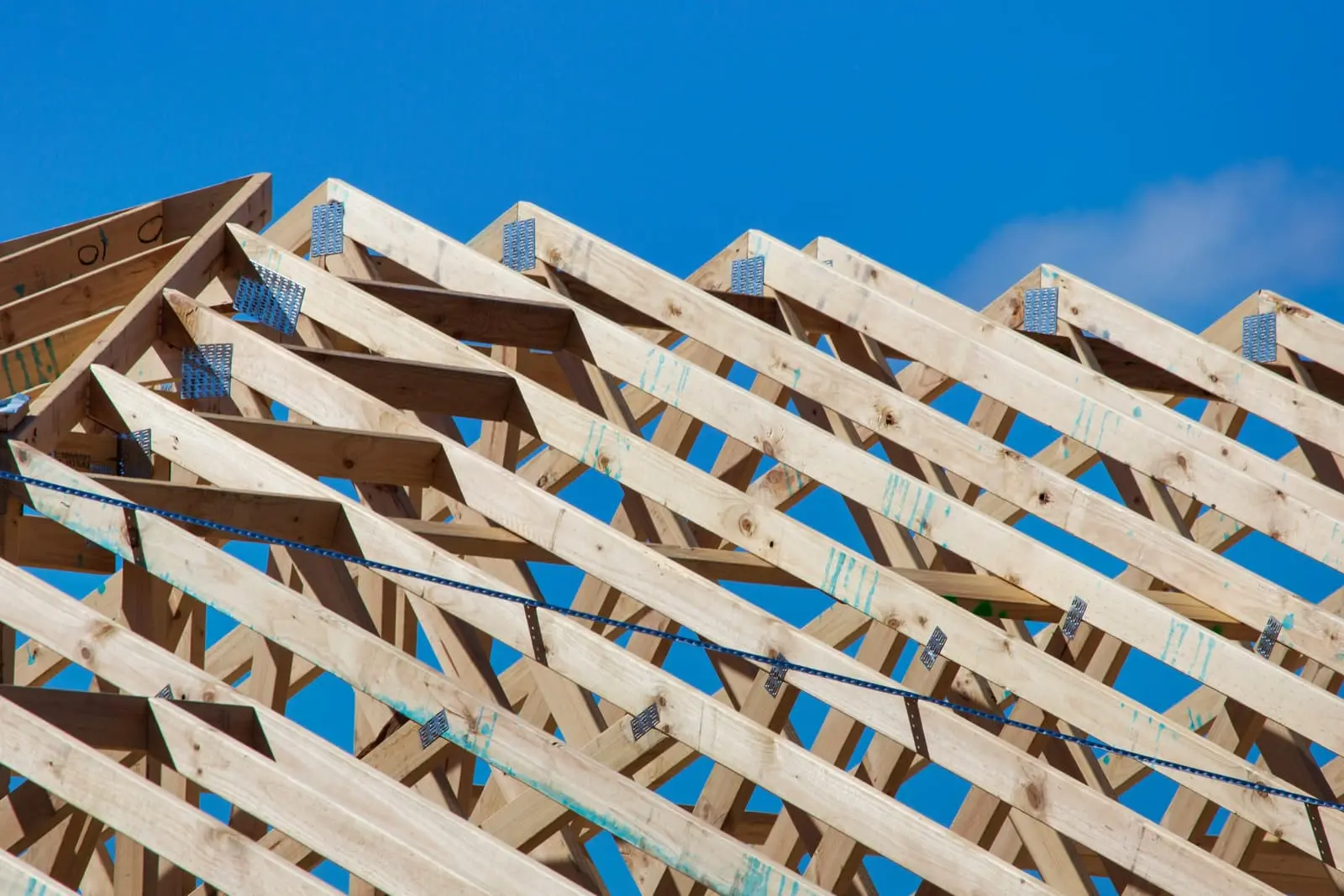
An efficient build is usually funded through construction finance, with money released in stages as the builder completes each part of the work. The plans, builder contract and specification all matter, because they document the features. Read our construction loans page and the guide to construction progress payments for the mechanics, and think about land and construction loans if you are buying the block as well.
What if I am self-employed or have a tricky file?
The green feature does not change how a lender sees your income or credit. If you are self-employed, a contractor or have credit blemishes, you still have to be assessed the way a lender assesses those things. That is where Ownright comes in. We look at self-employed home loans, low doc options and non-bank lenders alongside any green-linked products, and weigh which route gets you the best realistic outcome.
How does Ownright approach green home finance?
Trevor Scott likes to say there is always a way to look at a deal, and his team spends the time looking. We start with your plan: the home, the people living in it, how long you intend to stay and what you want the property to do. Then we compare green-linked products with the wider market, because an efficient house is a good thing but the loan still has to suit you.
Where standard lenders balk, we examine other options, including lenders you will not find advertised on the high street. We work with borrowers in every state and territory, and we talk plainly about trade-offs. If you would like us to look at yours, you can send us the details here.
An illustration
Illustrative scenario only. A couple plan to build an all-electric home with solar, good orientation and a high efficiency rating. One partner is self-employed with irregular income. A broker could compare lenders that recognise the efficiency features, then confirm which of those also accept the self-employed paperwork, and structure staged drawdowns to match the builder’s schedule.
Mistakes to avoid
- Chasing a green label without comparing the rest of the loan
- Assuming a feature stays in place if the property or lender policy changes
- Forgetting to collect the efficiency rating or specification before applying
- Failing to allow for council, stamp duty and other costs on a purchase
- Applying to several lenders without a plan, leaving multiple enquiries on your credit file
Documents to have ready
- Contract of sale, or builder contract and plans
- Energy rating or specification sheet, if available
- Identification and proof of income
- Statements for existing loans and cards
- Any quotes for planned efficiency work
Use the documents guide and the loan readiness checklist to prepare.
What should I ask a lender about a green feature?
A few questions cut through the marketing quickly. How exactly does a property qualify, and who decides? Does the feature depend on a rating that expires or needs renewal? What happens if I sell, refinance or alter the home? Is the feature part of the loan contract or a promotional offer that can be withdrawn? And, most importantly, is the rest of the loan competitive for my situation once the green label is set aside? Bringing those questions to a broker is a good use of the broker.
How do valuations and ratings come into it?
For a purchase or a refinance, the lender will usually arrange a valuation of the property, as it would for any mortgage. Efficiency features can be noted but valuers do not always add a premium for them, so it is wise not to count on a higher valuation. If the lender wants an energy rating, ask early who arranges it and what it costs, since those details can affect settlement timing. Our guide on property valuations for a loan explains the process.
What if I am buying off the plan or a new build?
New homes often come with efficiency documentation from the builder, such as a design rating and specification sheets. These can help a lender understand the features. Off-the-plan purchases add timing questions because settlement happens when the building is finished, and your circumstances or lender policy may change in between. See off the plan home loans for the extra points to watch.
Ready for a loan that matches your green plans?
Sounds like you’re after green home finance that still works for your circumstances. We’re the lending experts when the standard route does not fit, so click through and see if you qualify, or call 03 7043 7233.
How it works, step by step
- 1
Step 1
Tell us whether you are buying, building or upgrading, and what makes the home efficient.
- 2
Step 2
We check which lenders offer green-linked features and which suit your circumstances.
- 3
Step 3
We structure the loan, including any staged drawdowns for a build.
- 4
Step 4
Lender assessment, valuation, settlement or progress payments follow.
Frequently asked questions
What is a green home loan?
It is a home loan linked to an energy-efficient or sustainable property, or to improvements that make a home more efficient. Some lenders offer a pricing or feature advantage for qualifying homes, while others treat green as a purpose rather than a separate product. The details vary, so we check the current offers for you.
How does a lender decide whether a home qualifies?
Lenders commonly look at an energy efficiency rating, the type of heating and hot water, solar installation, or documented sustainable features. The test varies from lender to lender and is reviewed from time to time. Bring any assessment, builder specification or certificate you have and we will see which lenders it satisfies.
Can I get a green loan to build an energy-efficient home?
Yes, construction finance can be matched to an efficient design. Funds are released in progress stages against the build, and the design features can be documented in the plans and specifications. Our construction pages explain staged drawdowns, and we can compare lenders that look favourably on efficient builds.
Can I retrofit an existing home using a green loan?
Often. Retrofits such as insulation, glazing, solar and electrification can be funded through a top up, a personal loan or a secured structure, depending on size. Some lenders attach a green feature to the loan; others simply fund the work. We look at both.
I am self-employed. Can I still get one?
Yes, it is possible. Self-employed borrowers can be assessed on tax returns, BAS, accountant letters or bank statements, depending on the lender. The green feature does not change the underlying assessment, so a self-employed application is approached much as any other. We choose lenders that read your income well.
What if my application does not fit a standard lender?
That is the situation Ownright is built for. Credit history, income type, property type or timing can all push a file outside a lender's standard policy. We look for lenders and structures that suit the case, including private options where appropriate, while still keeping the energy-efficient goals in view.