
Quick answer
A sole trader loan is finance for someone who runs a business in their own name without a separate company. Because the business and the owner are legally the same person, lenders assess your personal and business position together. Ownright Custom Finance arranges sole trader loans Australia-wide, including low doc and secured options.
Key points
- The owner is personally responsible for business debts
- Lenders assess personal and business income together
- Low doc and bank statement options exist if returns are thin
- Home equity can unlock larger or lower-cost facilities
- Suits
- Tradies, contractors, consultants, market traders, freelancers
- Common uses
- Equipment, vehicles, cash flow, tax bills, growth
- Security
- Unsecured at lower amounts; property or assets for larger loans
- Australia-wide
- Yes
What is a sole trader loan?
A sole trader loan is finance for a business that is run by one person in their own name. There is no company standing between you and the lender, so you and the business are legally the same. That has two big effects on borrowing: you are personally responsible for the debt, and the lender looks at your whole financial picture rather than separating business and personal.
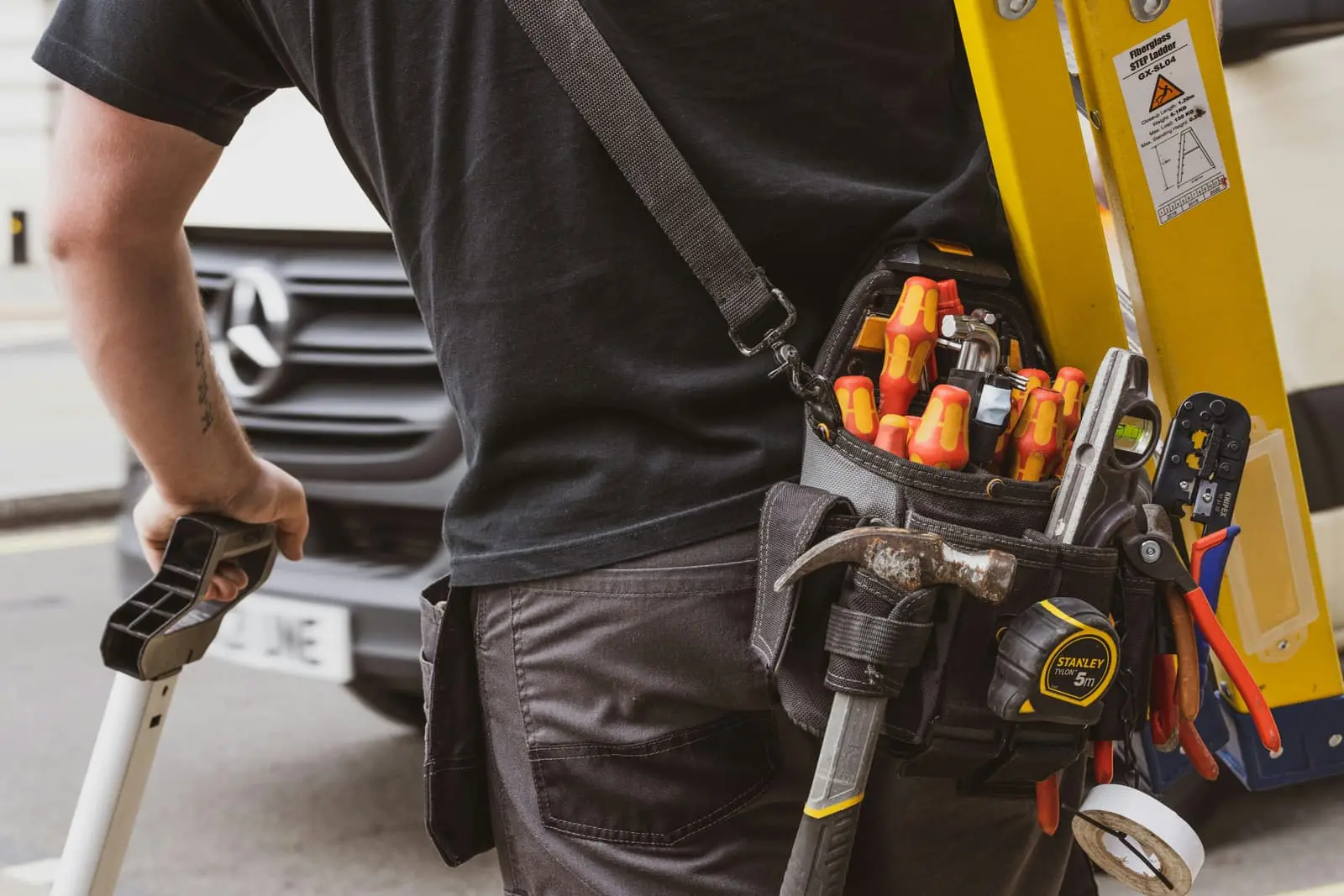
Sole traders are everywhere. Electricians, cleaners, personal trainers, graphic designers, market stall holders, farm contractors and mobile mechanics all operate this way. Ownright Custom Finance arranges sole trader loans across every state and territory, and Trevor Scott’s 40 years in finance means the team is well used to the practical realities of working for yourself.
What can a sole trader borrow for?
- Tools, vehicles and equipment
- Stock and materials
- Working capital to cover slow-paying clients
- A tax bill or BAS balance
- A fitout, van wrap or workspace upgrade
- Refinancing expensive existing finance
- Growth, such as hiring the first employee
Equipment and vehicles are often easiest, because they act as security. See our page on trade and contractor loans for trade-specific ideas, and small business loans for the general options.
How do lenders assess a sole trader?
| What they look at | Why it matters |
|---|---|
| Tax returns | Declared income over one or two years |
| Bank statements | Real deposits and account conduct |
| BAS | GST-reported turnover for the business |
| Credit file | Your personal borrowing history |
| Time trading | Stability and track record |
| Existing debts | Personal and business repayments together |
| Security | Equipment, vehicle or property available |
Because personal and business finances are tied, a personal credit card balance or a home loan repayment can affect the business loan. Our guide on what loan serviceability is explains how lenders weigh it.
What if your returns do not show enough income?
Tax planning means many sole traders declare modest profit. That can be a problem when applying. Lenders that rely on tax returns will use the declared figure, so a loan that looks affordable in real life might not pass. This is where alternative evidence comes in. Business bank statements, BAS and an accountant’s letter can show the real trading, which is covered on the page for bank statement business loans. If the returns are late, no financials business loans may also be relevant.
How does Ownright approach sole trader lending?
We start by learning how you work. Do you invoice clients, take cash, sell online, subcontract? Then we line up the documents to match. Ownright is about finding solutions where others see a closed door. A sole trader who has been knocked back by the bank for thin returns can often succeed with a lender that reads statements, or by offering a vehicle or property as security. We also look for the most sensible structure for liability. If a company or trust might help you in the longer term, our overview of company and trust borrowing explains how lenders see those, but your accountant and legal adviser should guide the structure itself.
Speed can be possible when documents are ready, but it depends on the lender, the security and how quickly paperwork arrives. If you work as a contractor on a PAYG-style arrangement, see contractor income loans.
What does an illustrative scenario look like?
This is illustrative only. A sole-trader plumber has worked for himself for three years. He wants a second van and some new equipment, but his tax returns show lower profit because of depreciation claims. We would gather his bank statements, BAS and an accountant’s letter, then consider an equipment loan secured by the van and perhaps a small line of credit for stock. A lender may ask for a deposit and a clean account history. Terms depend on the lender and approval is never assured, but showing the true cash flow usually changes the conversation.
What mistakes should you avoid?
- Using personal credit cards to fund the business without a plan
- Leaving BAS and tax returns late
- Not separating personal and business accounts
- Borrowing against the family home without understanding the risk
- Assuming the bank is the only option
- Applying to many lenders at once
Our guide on why applying for loans everywhere hurts your score is worth a read before you start.
What documents should you have ready?
- Two years of personal tax returns and notices of assessment
- Business bank statements and personal statements
- Recent BAS
- ABN details and ID
- Details of your assets and liabilities
- Quotes or invoices for what you want to buy
- An ATO account statement if you have a balance
The checklist on how to get loan ready helps you collect them in order.
What changes if you employ staff or take on a partner?
As a sole trader grows, the lending picture shifts. Hiring staff adds wages, super and PAYG obligations, which lenders count as ongoing commitments. Taking on a partner changes the structure entirely, because a partnership or company may be needed and the borrowing may have to be reorganised. Both are normal steps, but they are easier to fund when planned in advance.
If you are thinking about either, speak with your accountant first, then tell us the timeline. Sometimes it is better to complete a loan in your own name before restructuring, and sometimes the reverse is true. We explain how lenders are likely to react, including how existing debts are treated if the structure changes. That can save a lot of backtracking when the time comes to expand.
How does a sole trader build a stronger borrowing profile?
Small habits add up. Pay yourself a regular, documented drawing rather than dipping into the account at random. Lodge BAS and returns on time, even when cash is tight, and keep your ATO balance as low as you can. Use the business account for business costs so the statements are easy to read. If you have been trading for a short time, keep a record of earlier experience in the trade, such as employment references or past invoices, because lenders value proof that you know the work.
It also pays to keep personal debts under control. A large credit card limit, even unused, can reduce how much a lender will consider lending, and several recent enquiries can raise eyebrows. Closing unused cards before applying, rather than during the process, is something to discuss with us first. We can look at your whole position and suggest what is worth changing before a lender sees it.
Working for yourself and need finance?
Sounds like you are looking for a sole trader loan. We are the lending experts at funding people who work for themselves, so see if you qualify with the button below.
How it works, step by step
- 1
Step 1
Tell us your trade, how long you have worked for yourself and what you need.
- 2
Step 2
We look at your returns, statements and credit to find the right route.
- 3
Step 3
We approach lenders comfortable with sole traders.
- 4
Step 4
Documents are signed and funds are arranged.
Frequently asked questions
Can a sole trader get a business loan?
Yes. Many lenders fund sole traders, though they assess you personally because there is no separate legal entity. They look at your income, credit file, trading history and security. Newer sole traders often face more questions. We find lenders that suit your length of trading and paperwork.
What is the difference between a sole trader loan and a personal loan?
A business loan for a sole trader is for business purposes, such as equipment or working capital, and is assessed on trading as well as personal factors. A personal loan is for personal use. The difference affects the documents, tax treatment and regulation, so tell us the real purpose and we will point to the right product.
Do I need an ABN?
Most lenders expect a sole trader to have an ABN if you are carrying on a business, though it is not always mandatory for every product. Business.gov.au explains registration. If you do not have one yet, mention it early and we will explain how that affects the options.
How long do I need to have been trading?
Many lenders prefer at least a year or two, but some will consider less with good security or strong bank activity. Prior experience in the same trade as an employee can also help. Tell us your story and we will say what is realistic.
Should I change to a company for borrowing?
Not necessarily. Structure affects liability, tax and borrowing, and your accountant is the right person to advise on that. If you are considering a change, mention it to us, since lenders treat new entities differently. We can explain the lending side.
Can I get a sole trader loan with bad credit?
Sometimes. Because lenders look at you personally, your credit file matters. Security, a smaller first loan or a clear explanation of past problems can help. We talk through the history and look for lenders open to it rather than just applying and hoping.